
Webinar
GreSIS: Democratising Access to Knowledge and Knowledge Production across the South
Hosted by the Organisation of Southern Cooperation (OSC) and All-Africa Students Union (AASU)
On Zoom
About the webinar
The academic landscape is increasingly monopolised by a handful of highly-profitable publishers, exacerbating global knowledge inequality, particularly in the Global South. Researchers often rely on these publishers, who wield significant control over knowledge production, dissemination, validation, and accessibility. This cycle perpetuates (i) the delegitimisation of knowledge, as major publishers decide what knowledge is considered legitimate and valuable, and (ii) knowledge capture, where scholarly research becomes concentrated within a few profit-driven entities, inaccessible to those unable to afford access fees.
In response to these challenges, the Organisation of Southern Cooperation (OSC) has developed the Greater South Information System (GreSIS), a revolutionary platform aimed at democratising access to knowledge and knowledge production across the Greater South. Serving as a free, open-access repository for academic, non-academic, and endogenous knowledge resources, GreSIS bridges the gap created by traditional academic publishing, ensuring that knowledge originating from the Global South is both accessible and esteemed.
This webinar will introduce the GreSIS platform, outlining its objectives and highlighting the advantages of institutional enrolment for higher education institutions, libraries, research institutes, and community organisations. Participants will gain insights into how GreSIS can benefit students, researchers, educators, scholars, innovators, and knowledge seekers throughout the region.
Panellists
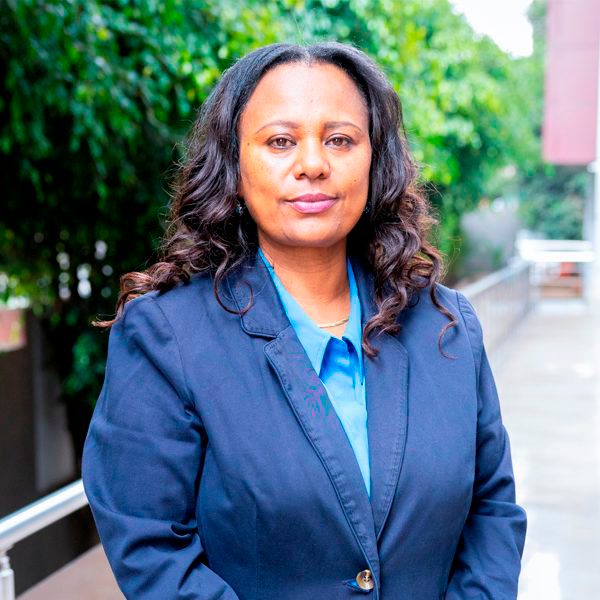
Prof. Hirut Woldemariam | Speaker
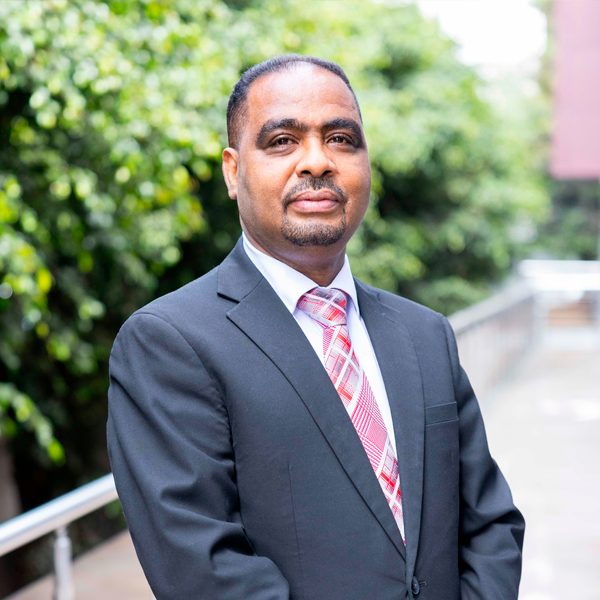
Dr. Shumete Gizaw | Speaker
Dr. Shumete Gizaw brings over two decades of experience in academia, research, and government. He holds a PhD from Addis Ababa University and M.Phil from Norwegian University of Science and Technology-NTNU and has published and co-published numerous scientific and research articles. Before joining the Organisation of Southern Cooperation (OSC), he served as Director General of the Information Network Security Administration in Ethiopia and previously held positions as Chief of Staff to the Prime Minister of Ethiopia and State Minister of Innovation and Technology. Dr. Shumete aims to leverage his expertise and experience to help the OSC promote technological innovation and digital transformation that benefits all.
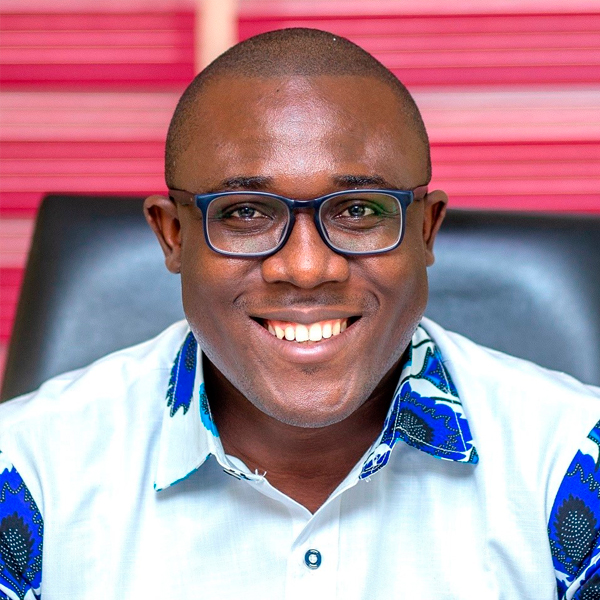
Peter Kwasi Kodjie | Speaker
Currently serving as the Secretary-General of the All-Africa Students Union (AASU), Peter Kwasi Kodjie represents African students on education policy issues on intergovernmental bodies and programmes. Peter has been an influential voice in the Tuning Africa Project Advisory Group (TAPAG) Phase II, actively advocating for the restructuring of higher education ecosystems to enhance the mobility of students and academics in Africa and around the world. Peter’s commitment to fighting for access, equity and quality education extends to his advisory roles in the Harmonization of African Higher Education Quality Assurance and Accreditation (HAQAA3) Initiative and the Africa Continental Qualifications Framework (ACQF2) – spearheaded by the African Union and European Union to harmonise Africa’s higher education systems. Peter is a founding Trustee of the 100 Million Campaign (founded by the Nobel Peace Prize Laureate, Kailash Satyarthi). Peter is also a founding member of the Global Student Forum (GSF) and serves on the Governing Council of the Magna Charta Observatory (MCO) as the global student representative. As a champion for climate justice, Peter chairs the board of the Students Organising for Sustainability International.
Peter also serves as a Steering Committee Member for two significant initiatives: the Youth Mobility for Africa Flagship Initiative and the Centre on African Philanthropy and Social Investment (CAPSI)-MasterCard Foundation Project. The Youth Mobility for Africa Flagship Initiative aims to enhance learning opportunities and foster cooperation in higher education and skills development within Africa and between Africa and the EU. Meanwhile, the CAPSI-MasterCard Foundation Project focuses on empowering African youth by ensuring equitable access to quality education, healthcare, and employment opportunities.
Through his tireless efforts and notable achievements, Peter stands as an inspirational figure and advocate for the rights and welfare of students, not only in Africa but across the globe. Peter has a strong passion for leadership, youth empowerment, human rights and climate justice.

Dr. Isabelle Zaugg | Moderator
Dr Isabelle Alice Zaugg is a communication scholar and filmmaker who studies language, media, and digital technologies. As an advocate for digital language justice, Dr Zaugg has proposed evidence-driven policy, governance, and design solutions to better support digitally-disadvantaged languages, in turn supporting their long-term vitality. She earned a PhD in Communication and an MA in Film from American University, a BA in Art Semiotics from Brown University, and an IB diploma from Collegio del Mondo Unito dell’Adriatico. She is a two-time Fulbright Fellow to Ethiopia, where she has both studied and taught at Addis Ababa University. She was a two-time Postdoctoral Fellow and Programme Manager at Columbia University, where she developed and taught three new transdisciplinary courses on digital language justice and played a leadership role in the Global Language Justice Sawyer Seminar, the Collaboratory at Columbia, and Advancing Public Health Research in Eastern Africa through Data Science Training (APHREA-DST) in partnership with Addis Ababa University and University of Nairobi. She is currently Chief of Section – Knowledge Development and Democratisation in the Department of Research, Evaluation and Foresight at the Organisation of Southern Cooperation, where she develops multilateral programmes designed to increase access to knowledge, knowledge production, and academic mobility across the Greater South.

