

From 27 June to 5 July 2025, the cities of Addis Ababa and Buenos Aires hosted an unprecedented celebration: the second edition of the Festival of the Greater South. Organised by the Organisation of Southern Cooperation (OSC), the festival brought together artistic and cultural expressions from Africa, Asia-Pacific, Latin America, the Caribbean and the Middle East under the theme “Peoples in Motion, Living Cultures.”
In Addis Ababa, the festival took place from 27 to 29 June with a vibrant programme including theatre, dance, and music. The iconic Ethiopian National Theatre hosted two major performances: “Kalakuta Republik”, by the Faso Dance Theatre (Burkina Faso/Mali/Belgium), a piece inspired by the legacy of Fela Kuti; and a classical and contemporary exhibition by artists from the Cambodian Ministry of Culture and Fine Arts for the performing arts, paying tribute to the rich heritage of Southeast Asia. On 27, the opening speeches were delivered by the Secretary-General of the OSC, Manssour Bin Mussallam, and the State Minister of Arts and Creative Development, Nabiyou Nigatu, of the Ministry of Culture and Sport of Ethiopia.
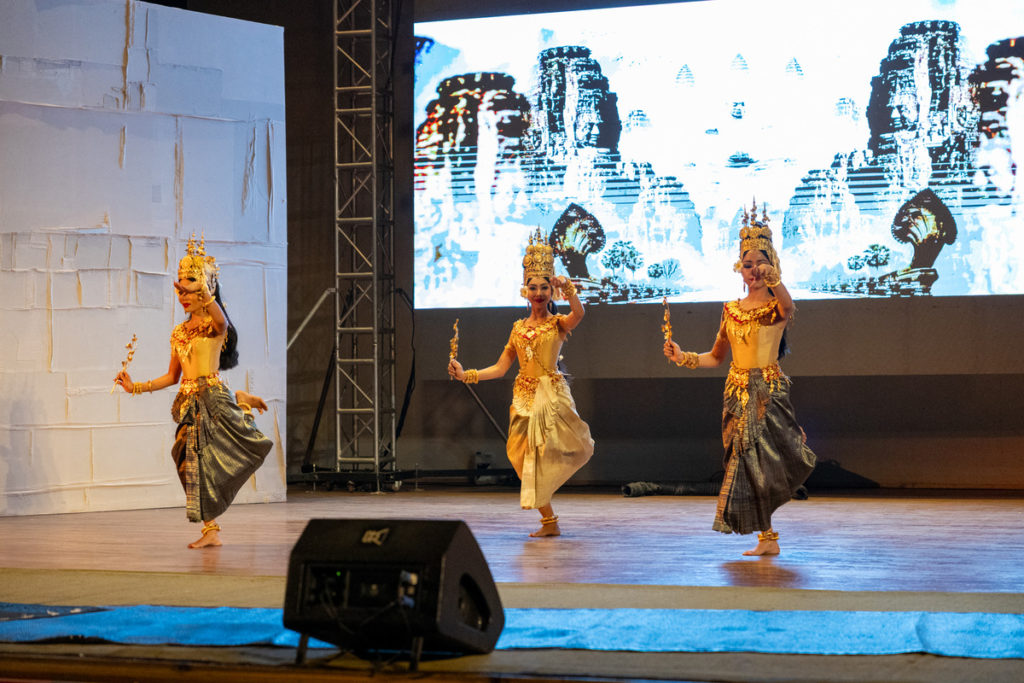
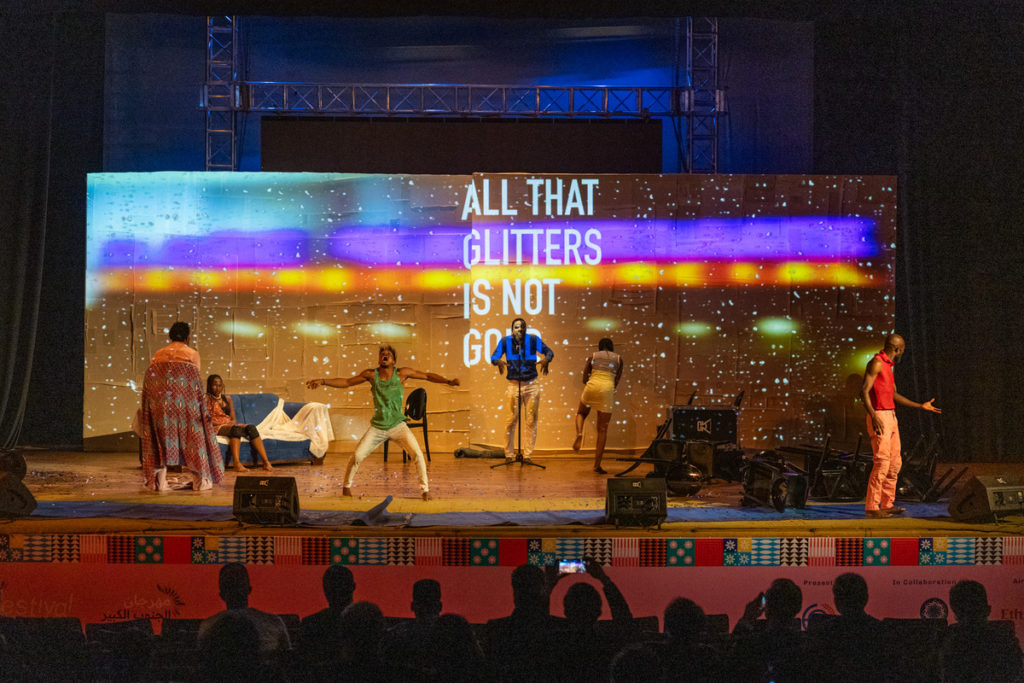
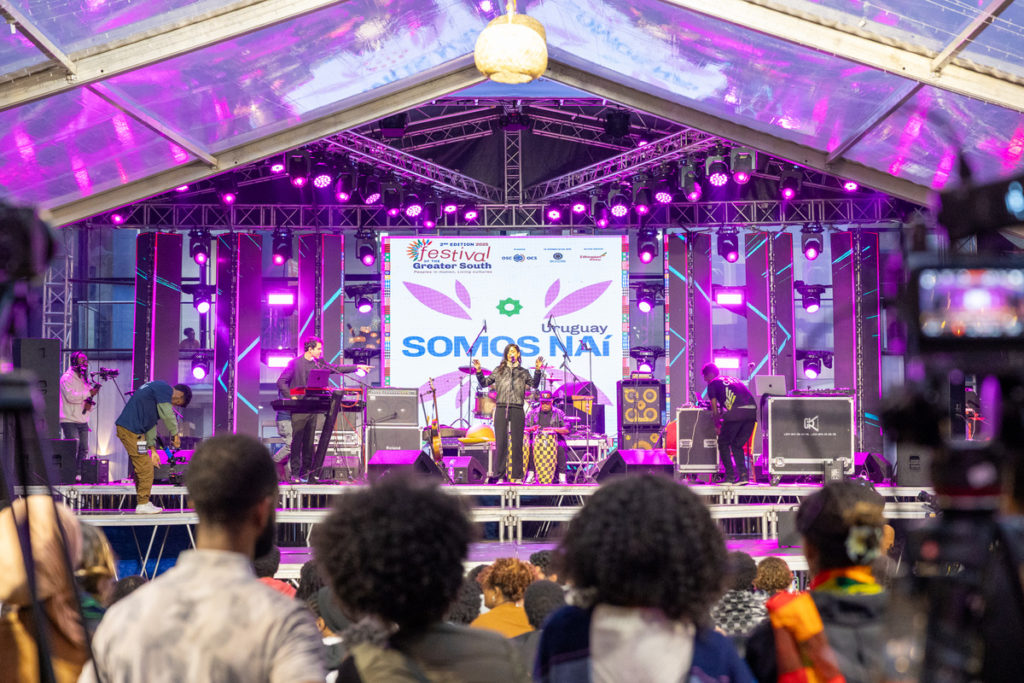
On 28 and 29 June, the celebrations continued at OSC Headquarters in Addis Ababa, with live concerts featuring renowned artists from the Greater South: Cuban innovator Raúl Paz, Tunisian star Asma Othmani, Uruguayan group SOMOS NAí, rising Ethiopian talent YEMa, Jamaican band Sydney Salmon & The Imperial Majestic Band, and Cameroonian singer Blick Bassy. Each performance became an act of cultural resistance and identity affirmation.
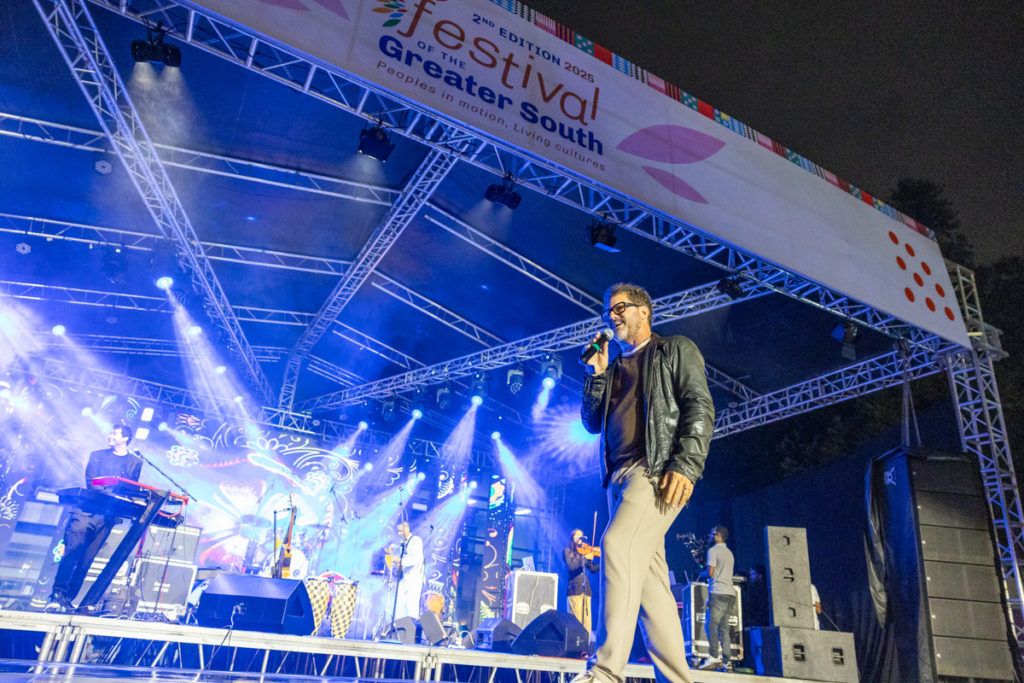
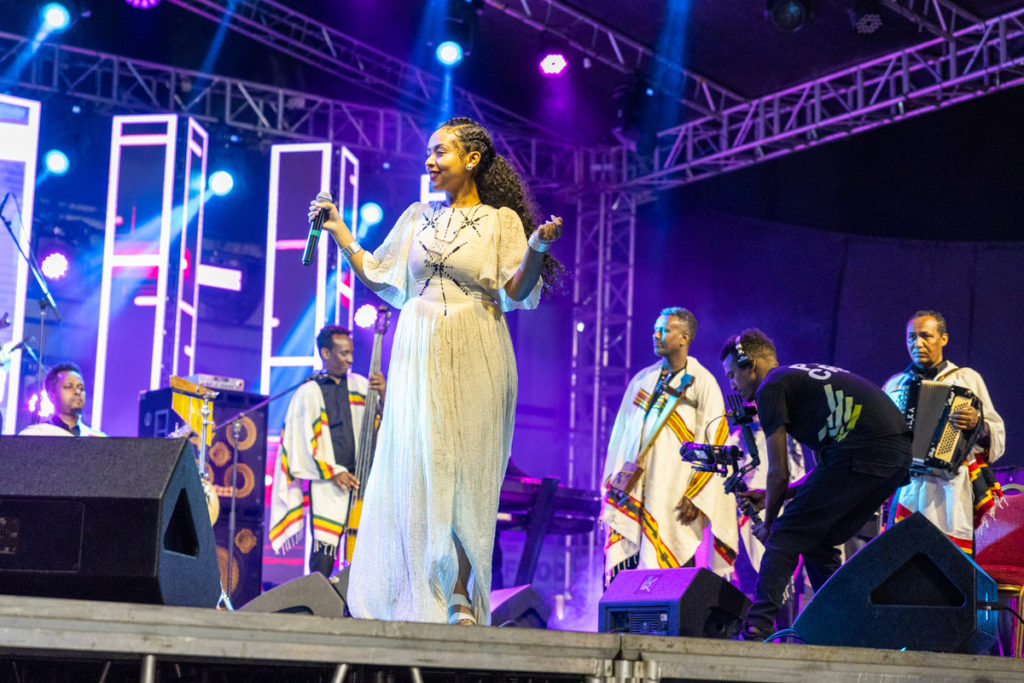
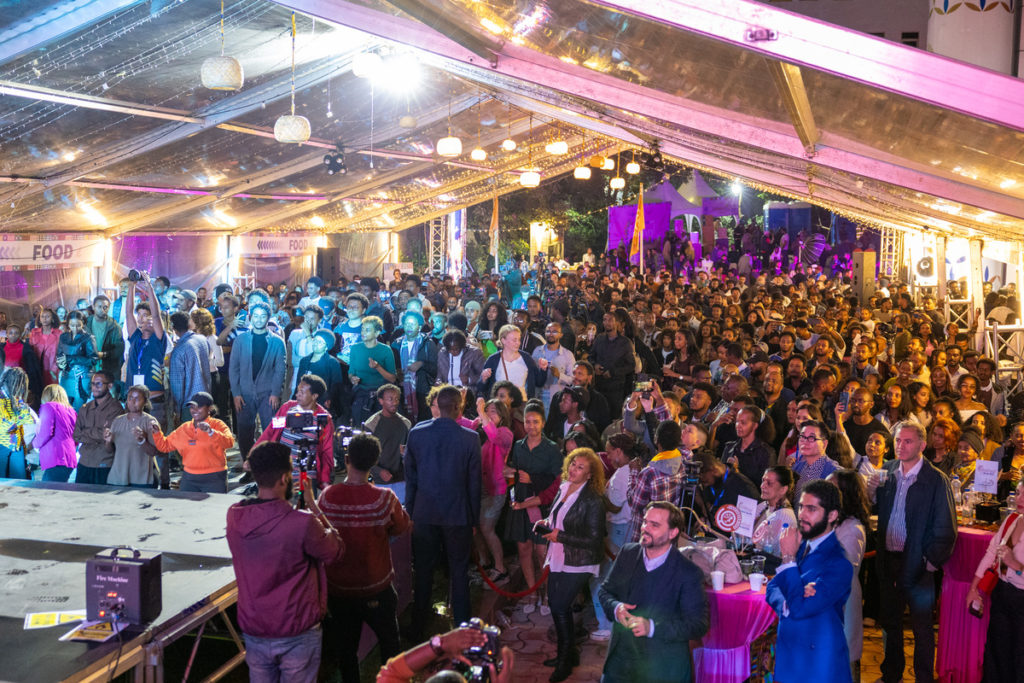
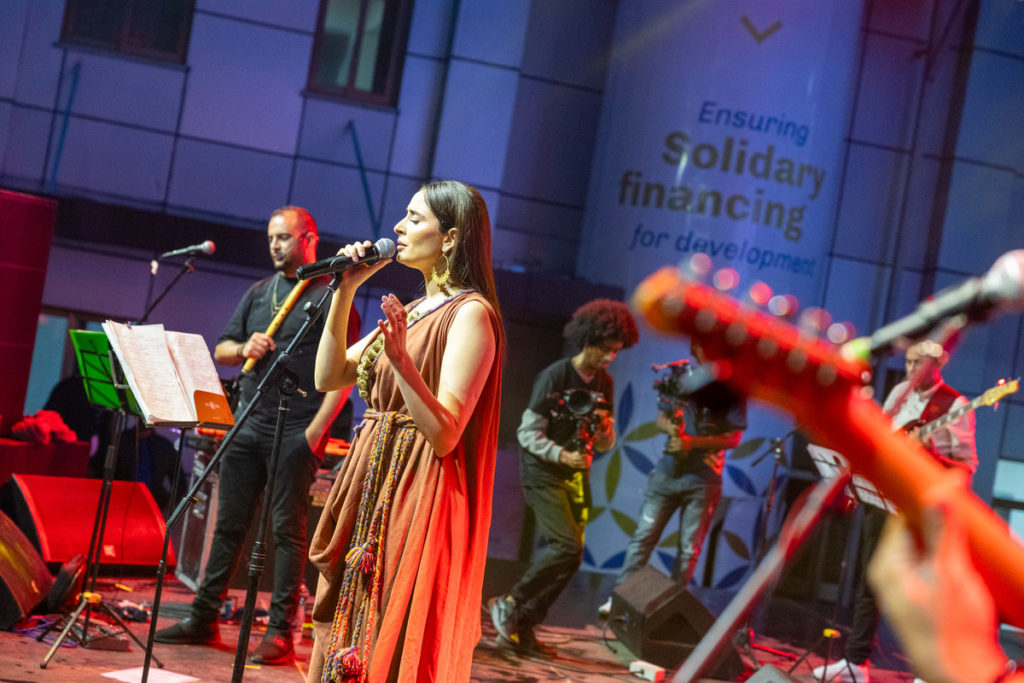
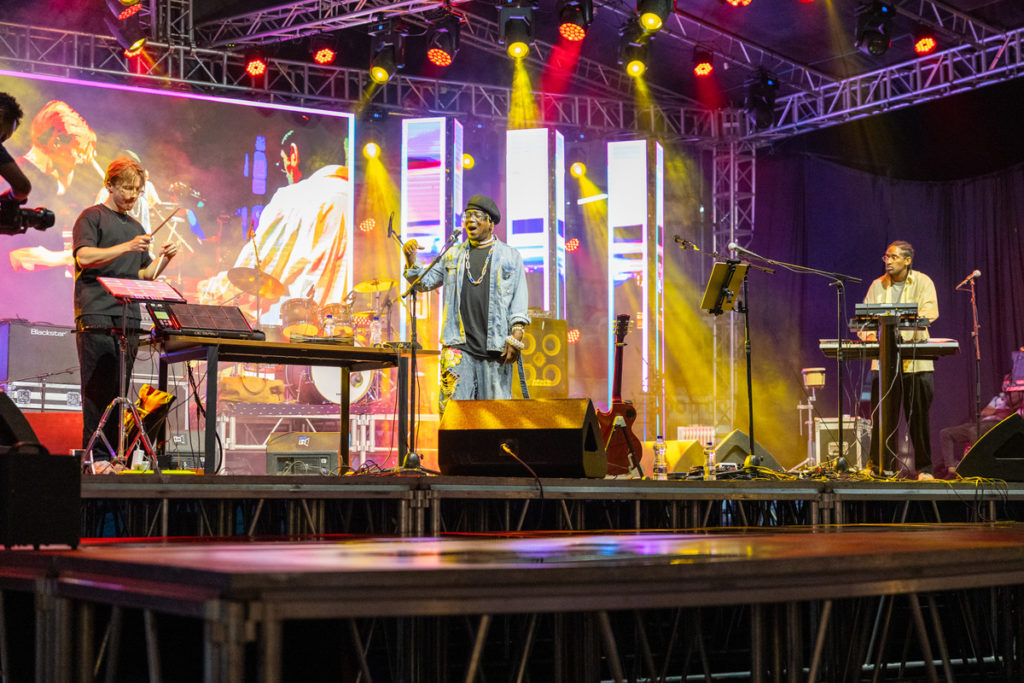
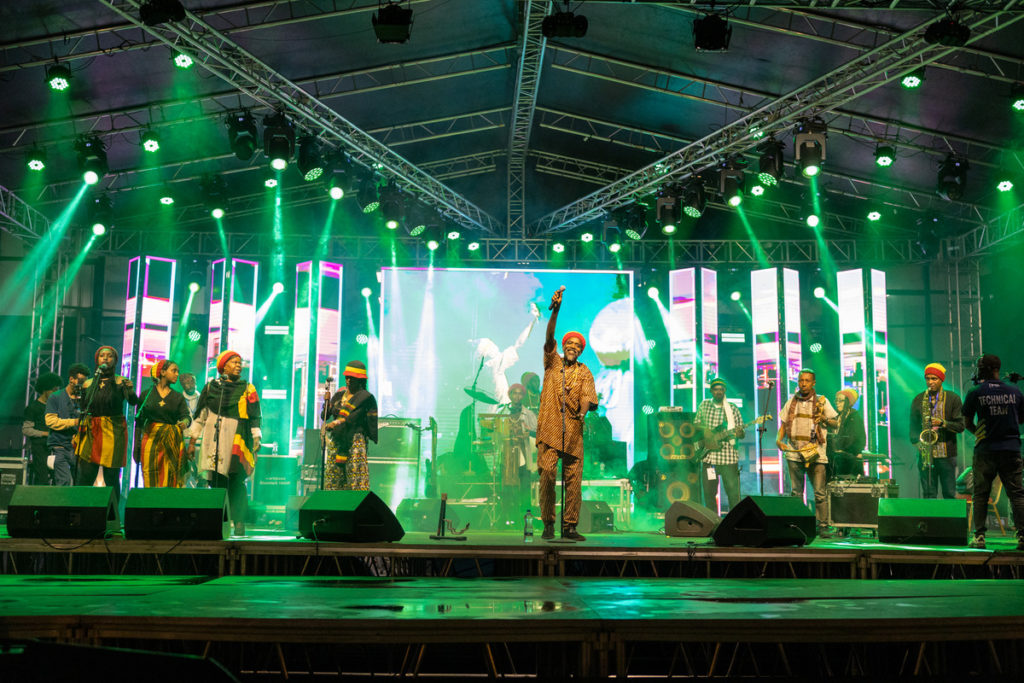
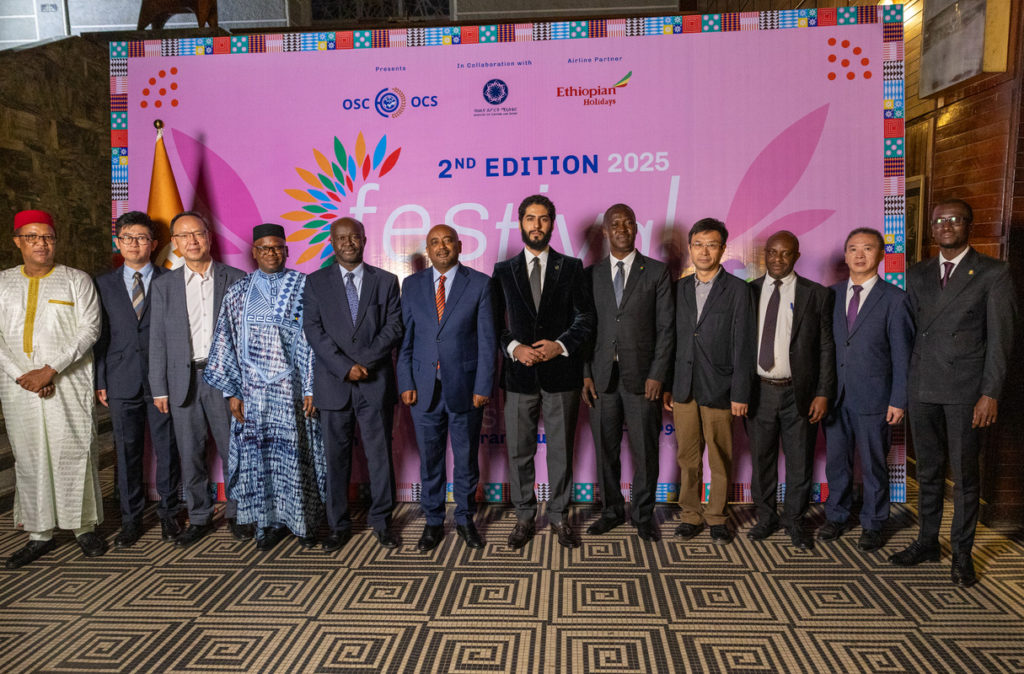
After three days of music, theatre and dance, the artists who participated in the 2nd edition of the Festival of the Greater South gathered at the OSC headquarters to engage in dialogue on the challenges facing the Greater South, cultural exchange, and artistic collaboration to strengthen ties between the peoples of the South.
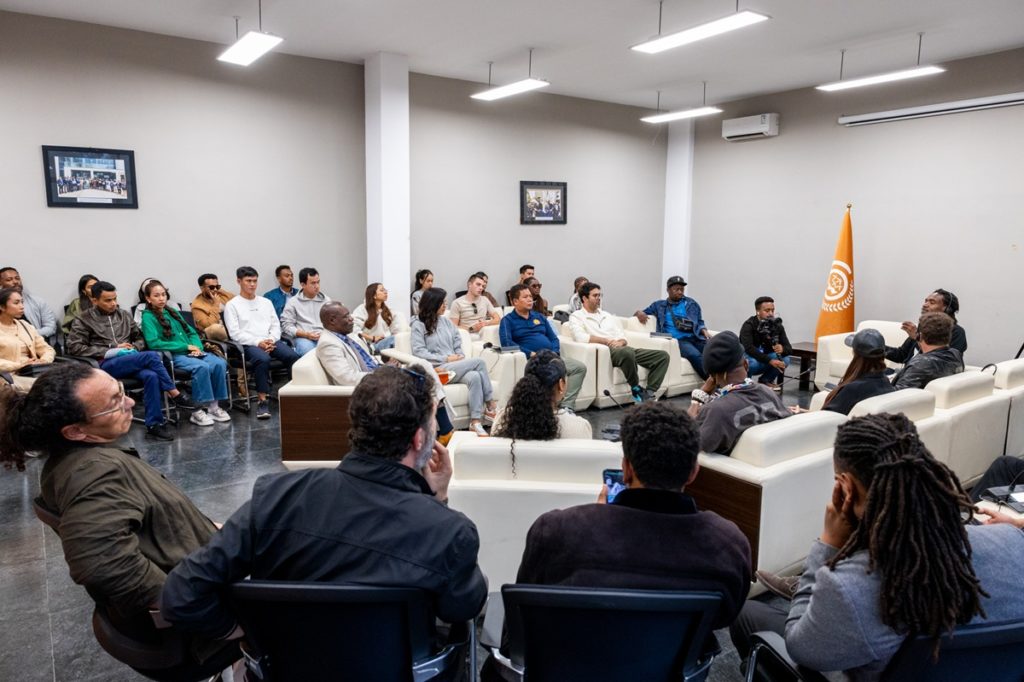
The festival in Addis Ababa, held in collaboration with Ethiopia’s Ministry of Culture and Sport and with Ethiopian Airlines as its official airline partner, brought together artists, residents, students, and members of the diplomatic community in a shared space of memory, creativity and collective vision.
As the academic extension of the festival, the “Greater South Colloquium: Culture and the Arts in a Transforming World” took place on 4 and 5 July at the National University of Avellaneda (UNDAV) in Buenos Aires. Organised by the OSC alongside the Union of Universities of Latin America and the Caribbean (UDUALC)—an Associate Member of the OSC—and UNDAV itself, the colloquium provided a critical space to reflect on the geopolitical challenges, cultural integration, the role of technology, and the construction of new multilateral frameworks from the perspective of the Greater South.
Over the course of two days, more than a dozen speakers from Saudi Arabia, Argentina, Bolivia, Brazil, Chile, Ecuador, Peru and Togo shared transformative ideas, diagnoses, and proposals.
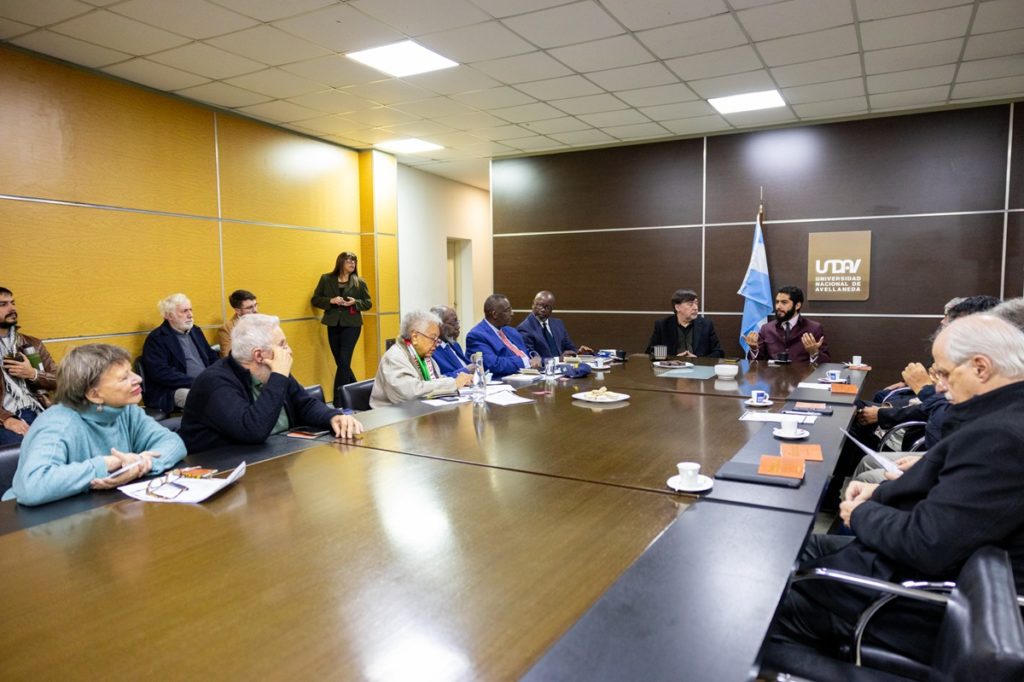
“The OSC challenges us to build bridges between our peoples of the South, and it is for this reason that this colloquium brings together different thinkers, intellectuals, and social actors from the Great South to discuss our paths and possible futures,” said Eng. Jorge Calzoni, President of UDUALC, Rector of UNDAV, and the Chair (2024-2025) of the OSC Conference of Associate Members, who also highlighted the central role of culture and critical thinking as tools for emancipation and transformation.
Despite the successful execution of the colloquium, the OSC Secretary-General, Manssour Bin Mussallam, expressed deep regret over the lack of cooperation by the Argentine consular services in facilitating the full participation of African representatives and members of the Secretariat. As a result, participation was limited largely to Latin American speakers, reducing the intercultural and academic scope initially envisioned for the event.
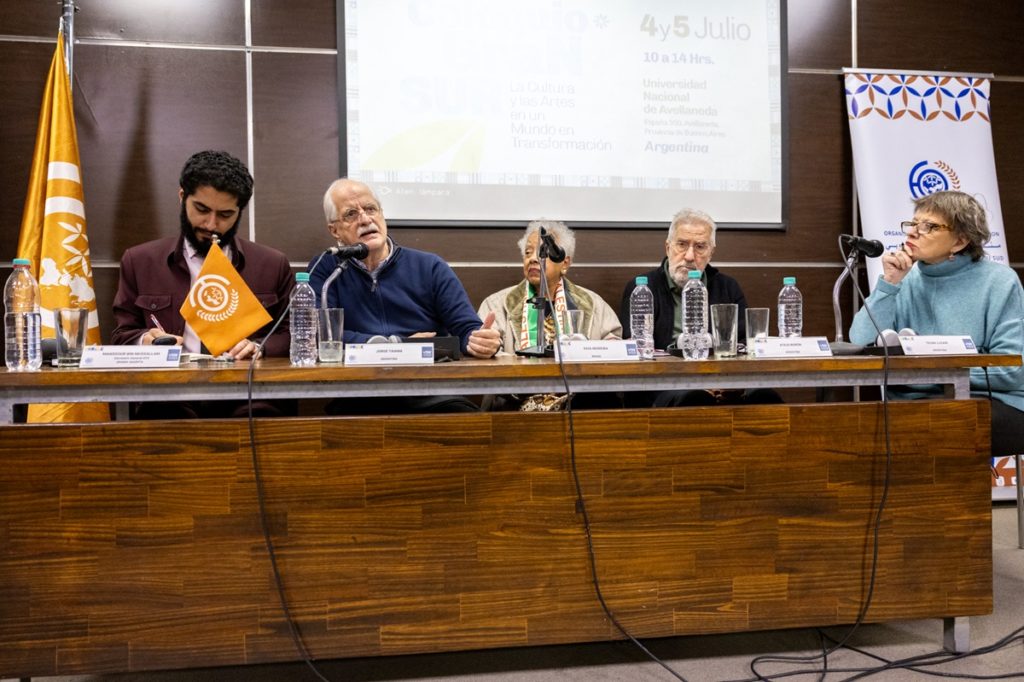
On Friday 4 July, the colloquium opened with a panel titled “The Geopolitical Challenges of the Greater South,” featuring Secretary-General Manssour Bin Mussallam, former Argentine Foreign Minister Jorge Taiana, Brazilian political analyst Diva Moreira, and Argentine sociologist and essayist Atilio Borón.
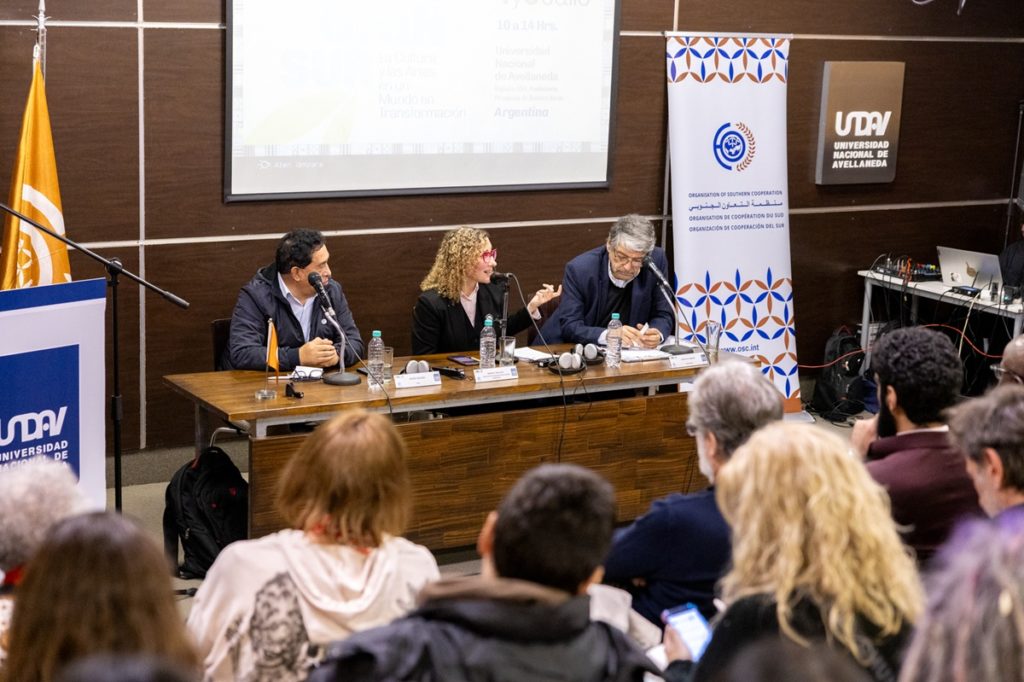
Later that day, the panel “Towards South-South Cultural Integration” brought together Peruvian leader Miguel Palacín, promoter of the “Buen Vivir” concept; Sandra Torlucci, Rector of the National University of the Arts; and Dr. Koulsy Lamko (Chad), Director of the OSC Office for Culture, Heritage and the Arts, who joined virtually from the Organisation’s Headquarters in Addis Ababa due to the visa restrictions that prevented him from attending in person.
On Saturday 5 July, the panel “Rethinking New Technologies: Appropriating Them” explored how countries of the Greater South could become drivers of a new technological revolution. The session included contributions from Daniel Filmus, former Argentine Minister of Science and Technology; René Ramírez Gallegos, former Ecuadorian Secretary for Higher Education, Science and Technology; Chilean educator and entrepreneur Eduardo Castillo; and Papa Malick Gaye, OSC Under-Secretary-General for Administration, who represented Dr. Shumete Gizaw (Ethiopia), Under-Secretary-General for Technological Innovation and Digitalisation Enhancement (TIDE), who was also unable to attend due to visa-related obstacles.
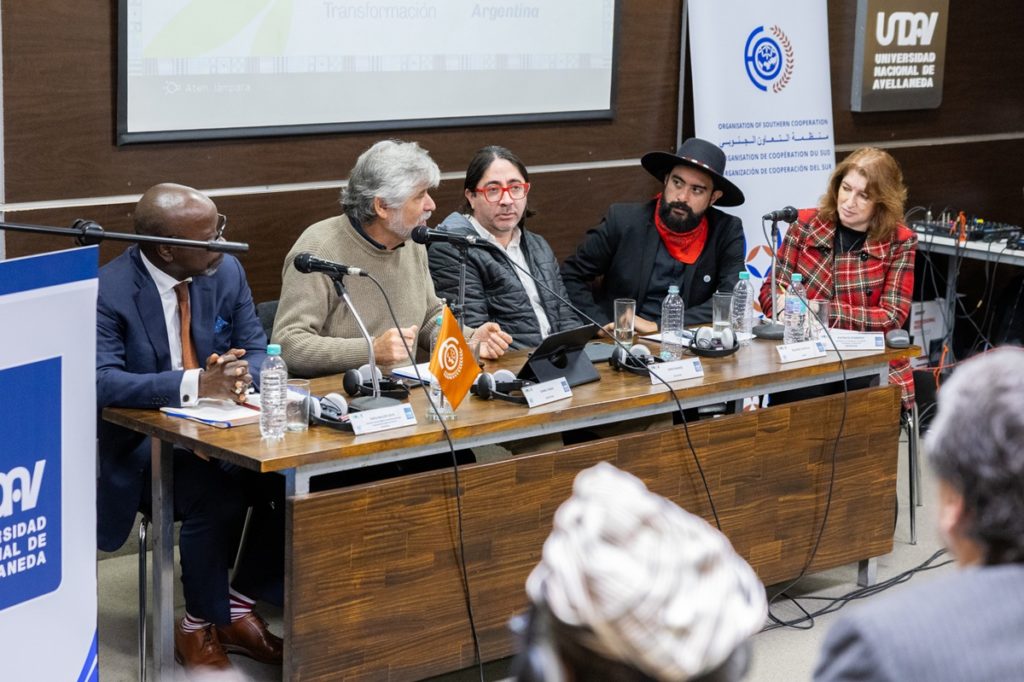
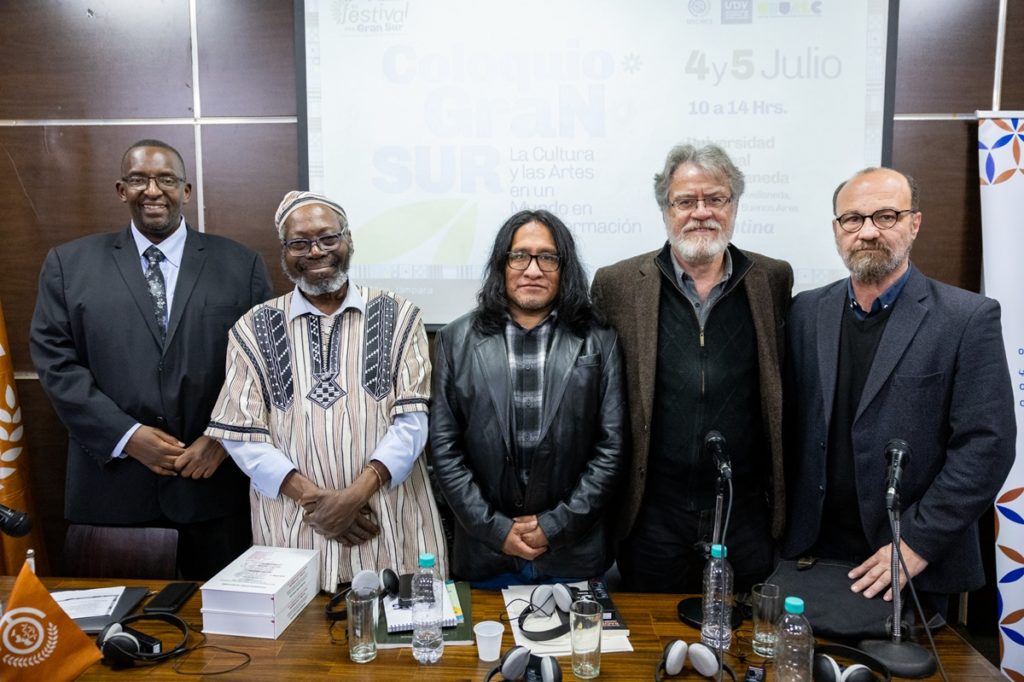
The colloquium concluded with the panel “Architectures of Multilateralism,” featuring Argentine philosopher Ricardo Forster, Togolese researcher Raphael Eklu-Natey, Bolivian anthropologist Carlos Macusaya, and Dr. Jean-Pierre Karegeye (Rwanda), OSC Chief of Section for Transdisciplinary Research of the Department of Research, Evaluation, and Foresight (REEF). The discussion focused on the urgent need to rebalance international relations by proposing alternative models from the Greater South.
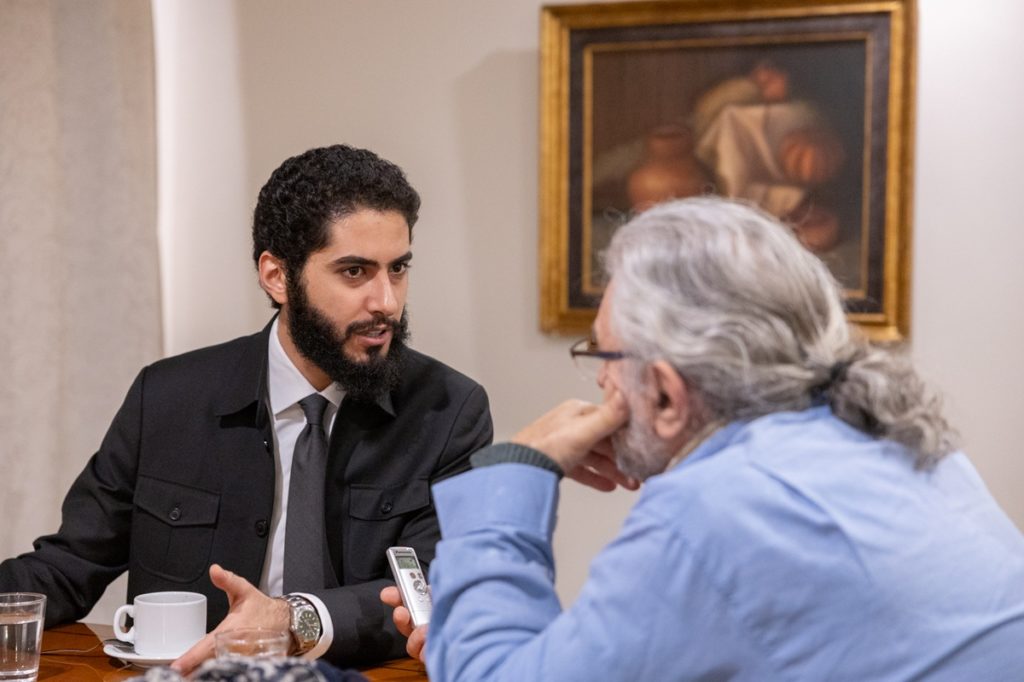
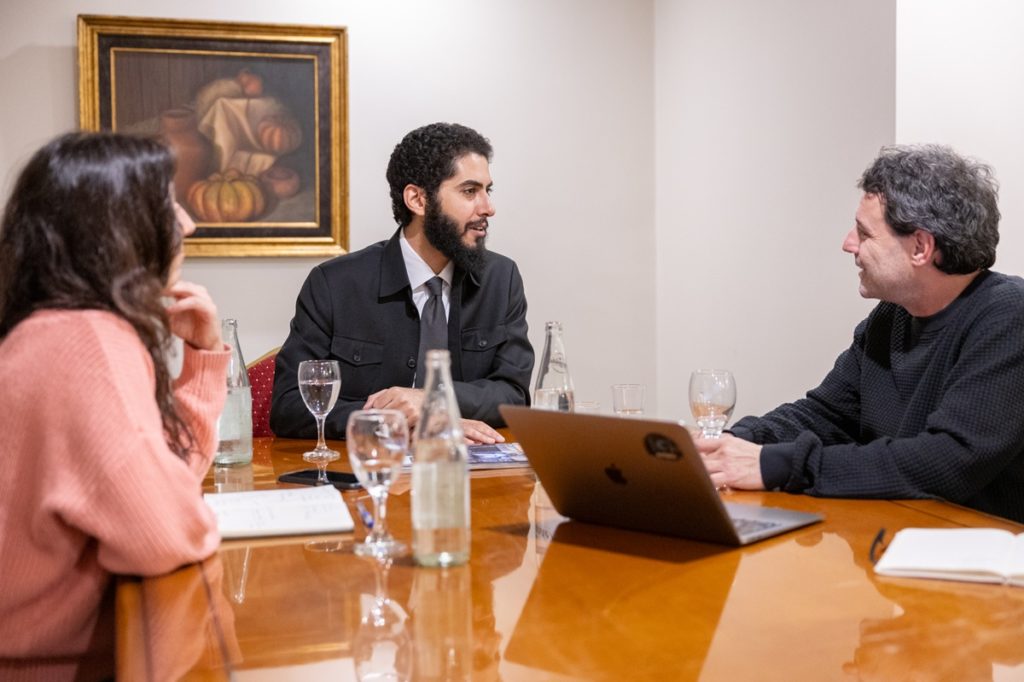
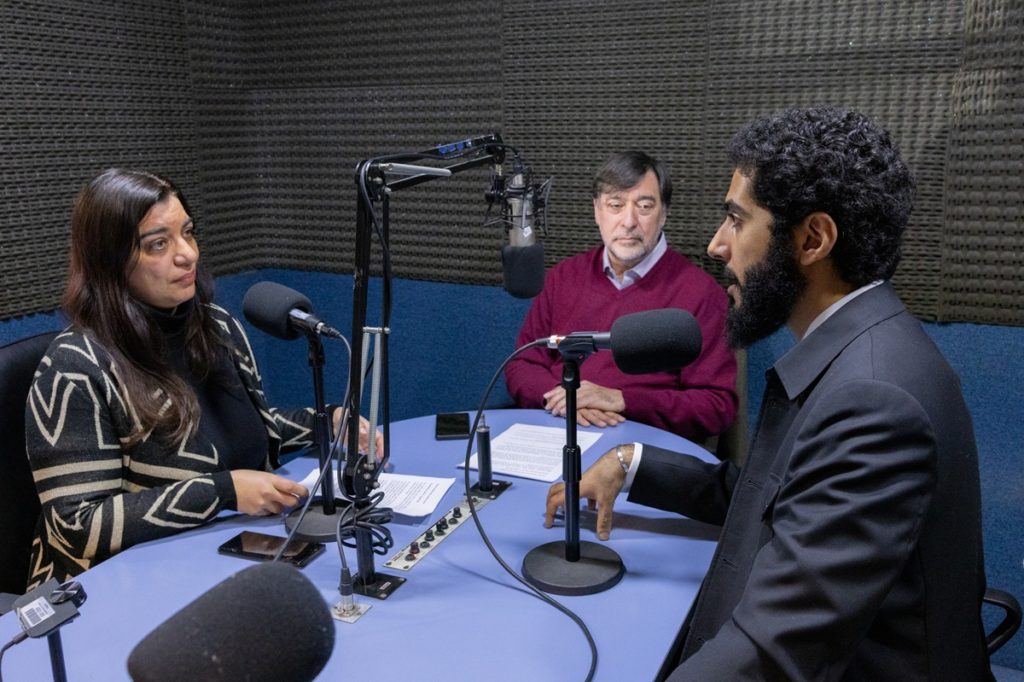
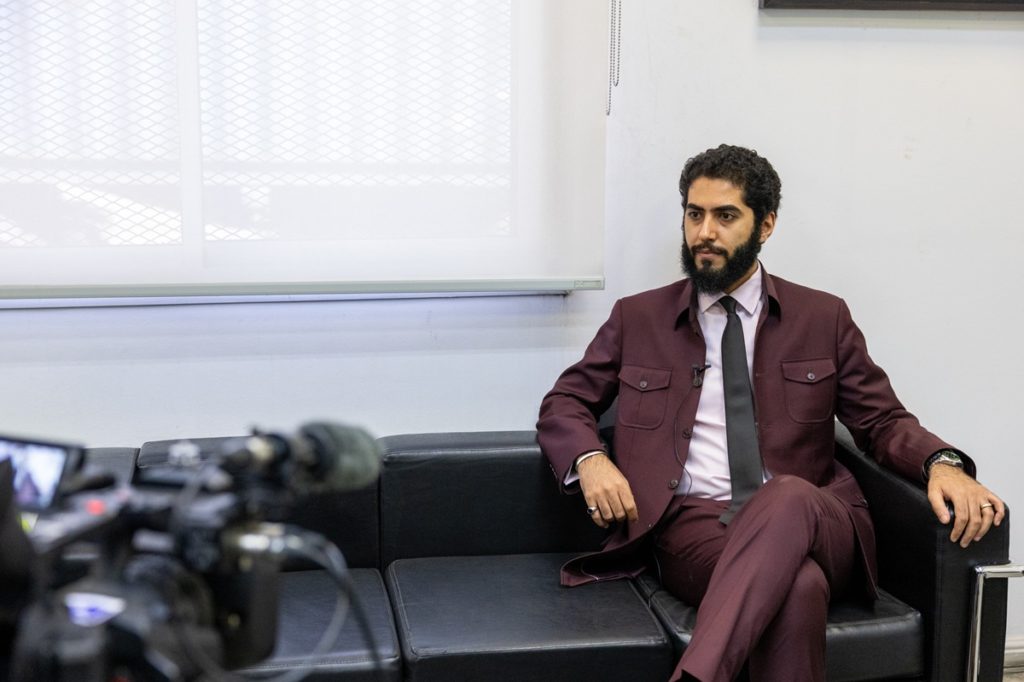
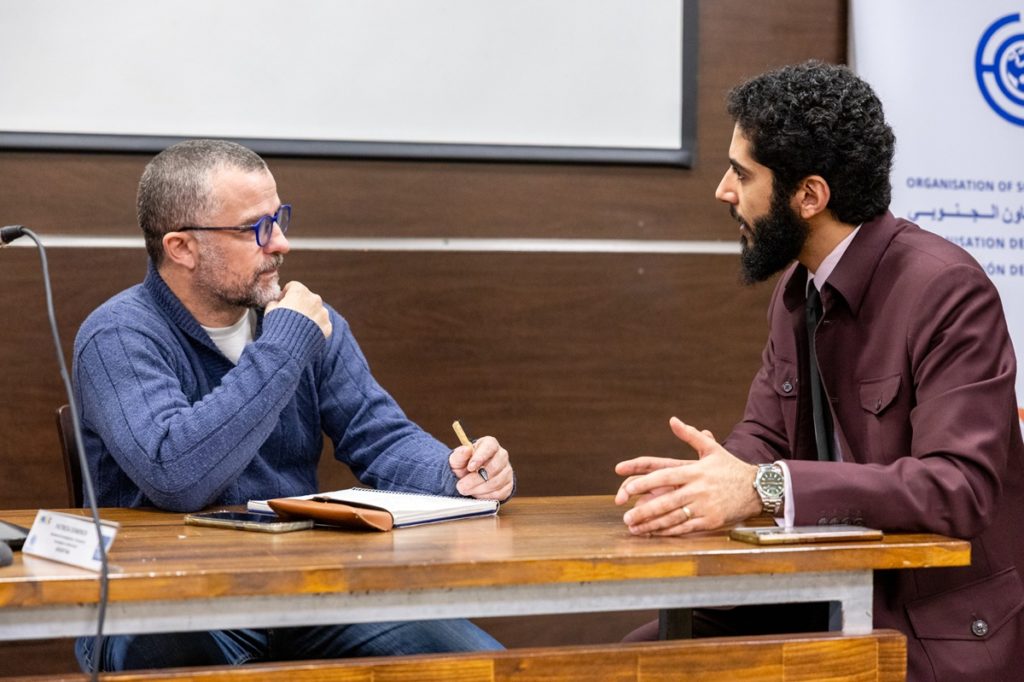
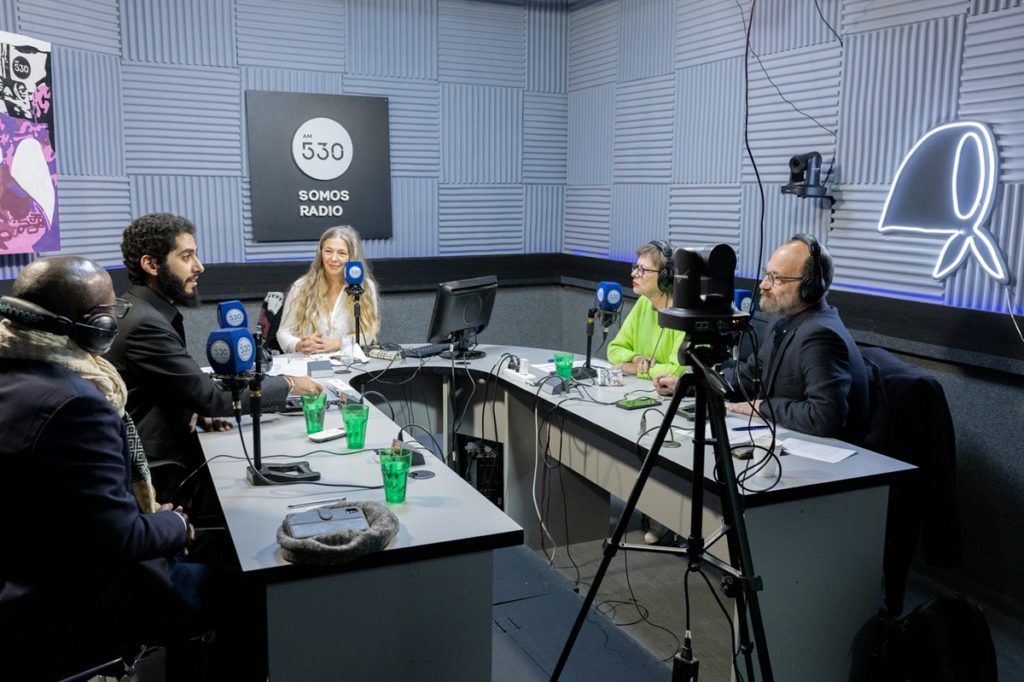
On the margins of the Colloquium, Secretary-General Manssour Bin Mussallam held interviews with Agencia EFE, Página12, Tiempo Argentino, Crisis magazine, Radio UNDAV, Somos Radio AM 530 with Atilio Boron, among other national and international media outlets, with whom he discussed the Colloquium itself and the challenges facing the countries of the South in the new multilateral scenario and the articulation of a Third Way of Development from the South, for Humanity.
This international gathering not only strengthened academic and cultural cooperation across regions of the Greater South but also reinforced the OSC’s role as a key actor in articulating a new multilateral vision.
“What has taken place here has been more than just an academic colloquium. What we have witnessed is the beginning of a collective—in the sense of continuing to dialogue, to converse, to think and rethink, and to strengthen that shared determination which each panellist has so clearly demonstrated: a determination to keep moving forward, forging the path as we walk, above all in the rejection of resignation,” concluded the Secretary-General at the close of the event in Buenos Aires.


