

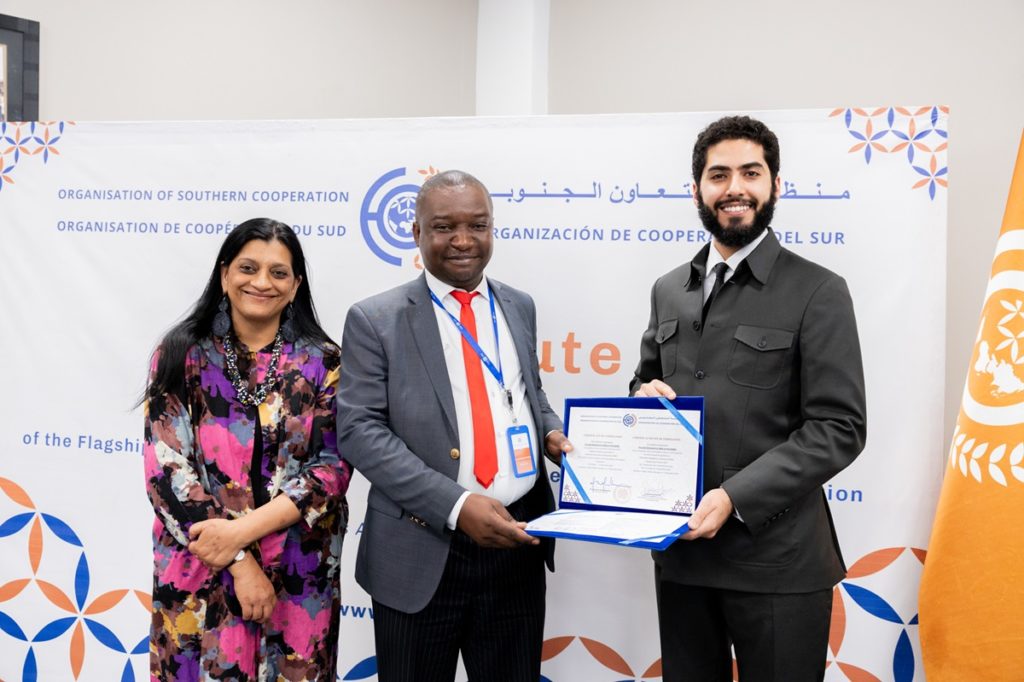
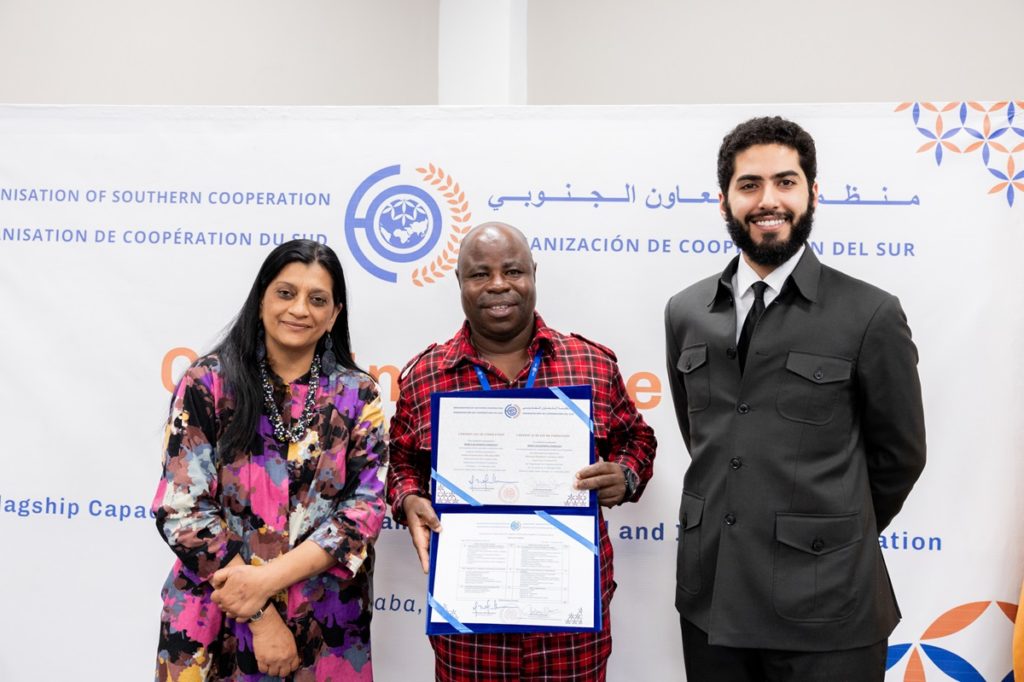
Today, senior experts and officials specialising in curriculum, pedagogy, and assessment from the Republic of Congo celebrate their graduation from the two-month intensive Capacity-Building Programme on Balanced and Inclusive Education (BIE). Hosted by the Organisation of Southern Cooperation (OSC) Institute at its headquarters in Addis Ababa, this milestone highlights a significant step toward transformative education in the Global South.
The BIE programme is founded on four transformative pillars:
- Intraculturalism: This pillar emphasises understanding one’s own culture deeply to appreciate its connection and mutual indebtedness to other cultures. It nurtures respect and collaboration across diverse cultural landscapes.
- Transdisciplinarity: Education is shaped not only by specialists but also by non-specialists, ensuring curricula address societal needs and aspirations. It transcends the boundaries of academic disciplines to focus on practical, meaningful outcomes for communities.
- Dialecticism: Learning is anchored in active dialogue, study, and debate among students. This approach fosters critical thinking, self-motivation, and a commitment to becoming positive change-makers, nurturing active citizens from school into adulthood.
- Contextuality: Curricula, teaching methods, and educational content are tailored to local, national, and global realities. Schools and institutions are encouraged to engage with their communities, becoming active agents of development and co-creators of solutions to local challenges.
These principles collectively reimagine the purpose and delivery of education, addressing systemic challenges to foster a Third Way of Development—one that champions inclusivity, innovation, and sustainability.
A Mission to Drive Systemic Change
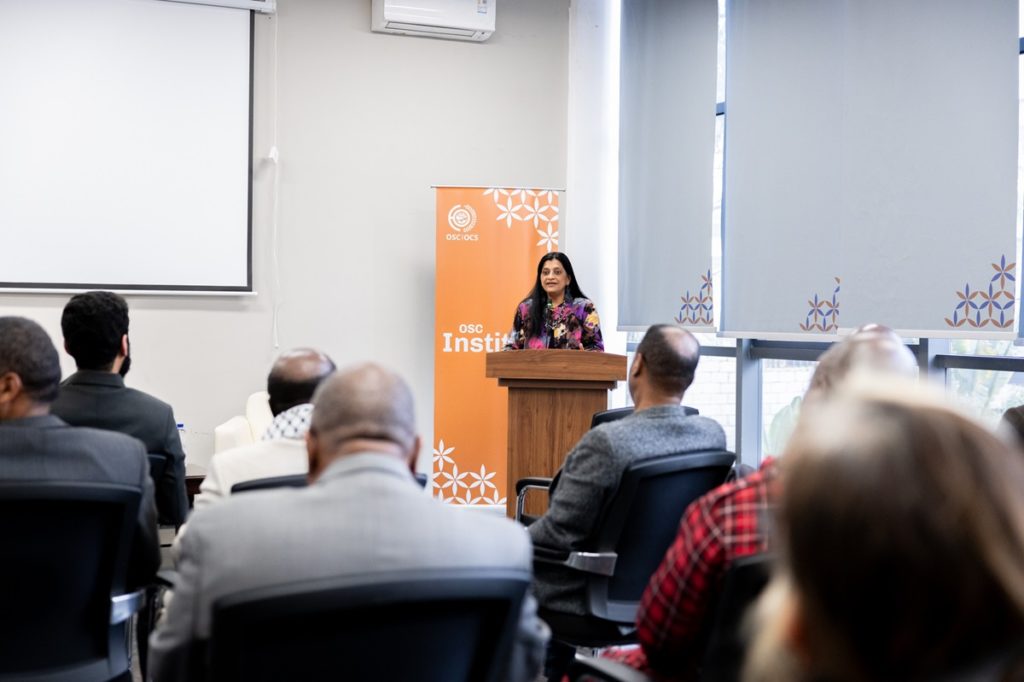
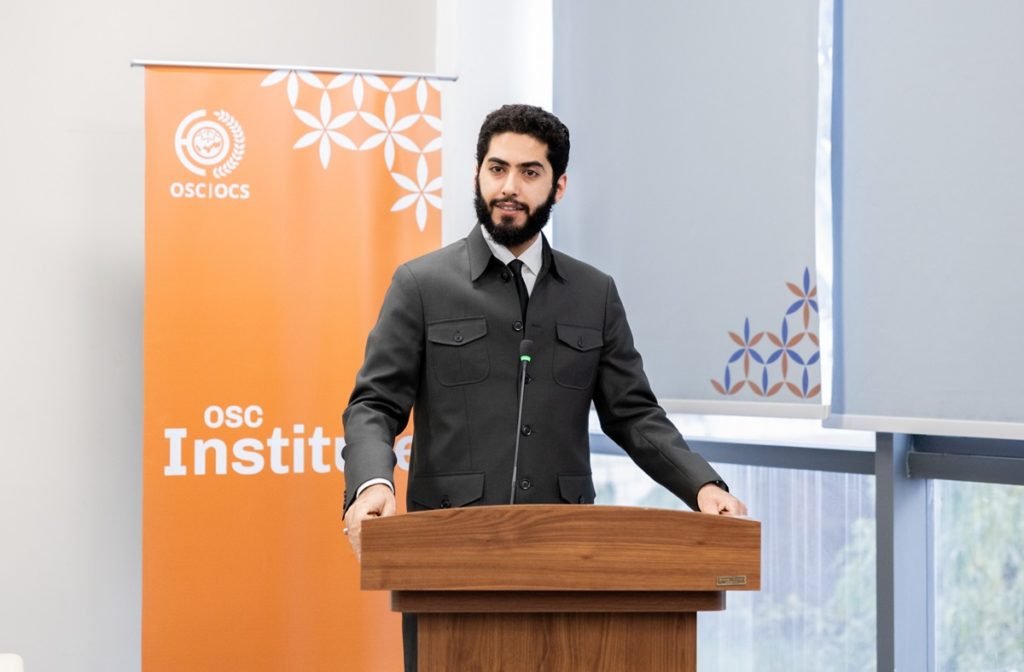
The programme’s train-the-trainers approach amplifies its impact by empowering participants to transfer their knowledge to others, creating a growing cadre of BIE Ambassadors.
These ambassadors will champion BIE principles across ministries, civil society organisations, and educational institutions, ensuring that balanced and inclusive education takes root and thrives in diverse contexts.


