
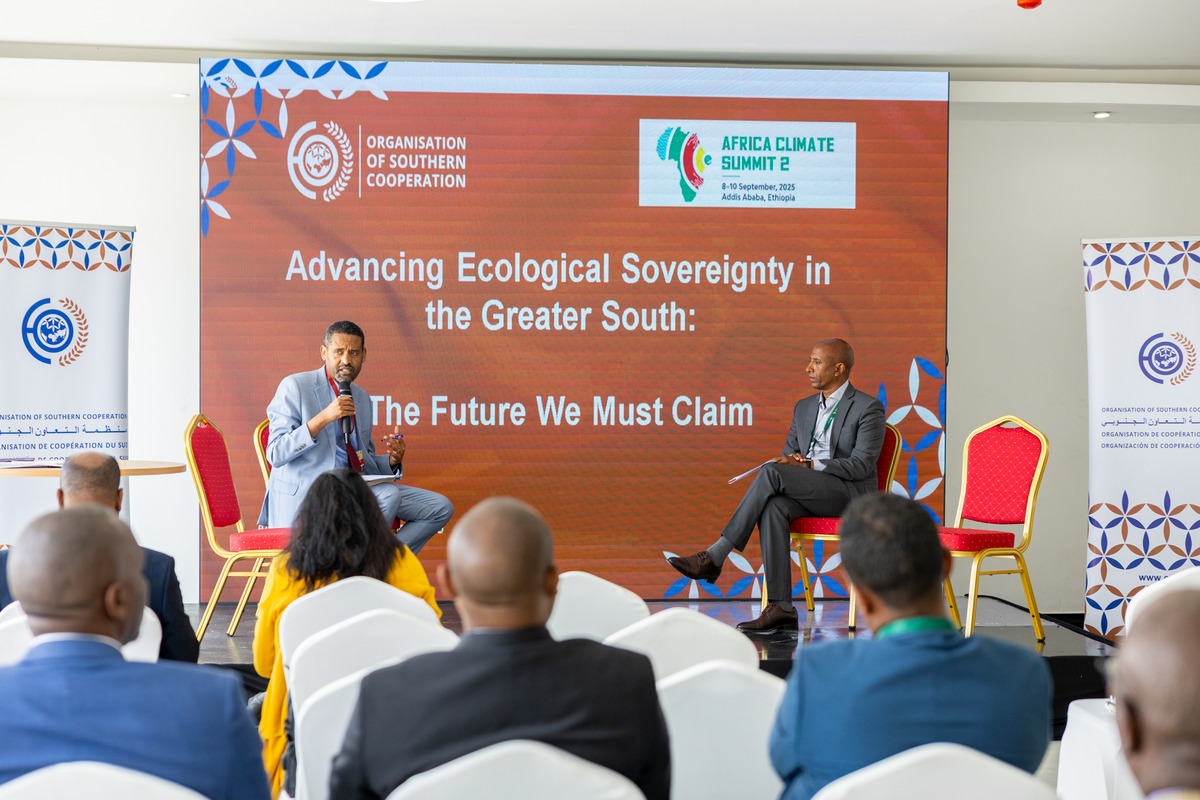
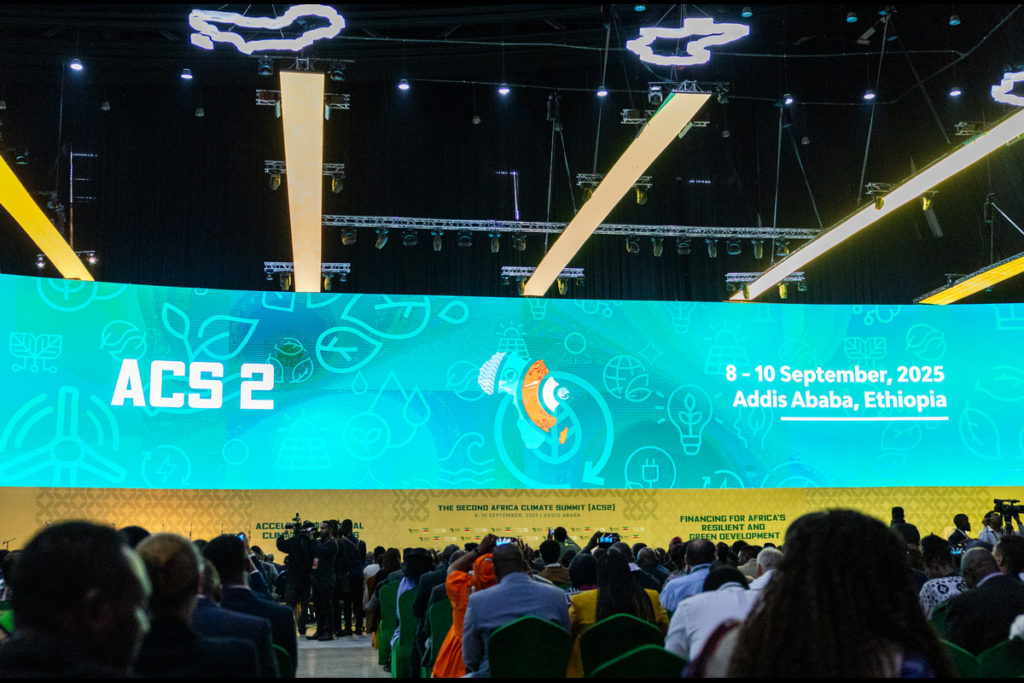
12 September 2025, Addis Ababa – Amid escalating climate shocks and entrenched global inequalities, the Organisation of Southern Cooperation (OSC) championed a unified front for ecological sovereignty at the second Africa Climate Summit (ACS-2). Through high-level dialogues and a major side event, the OSC articulated a bold, Southern-led vision for development centred on Ecologically Driven Development (EDD) model.
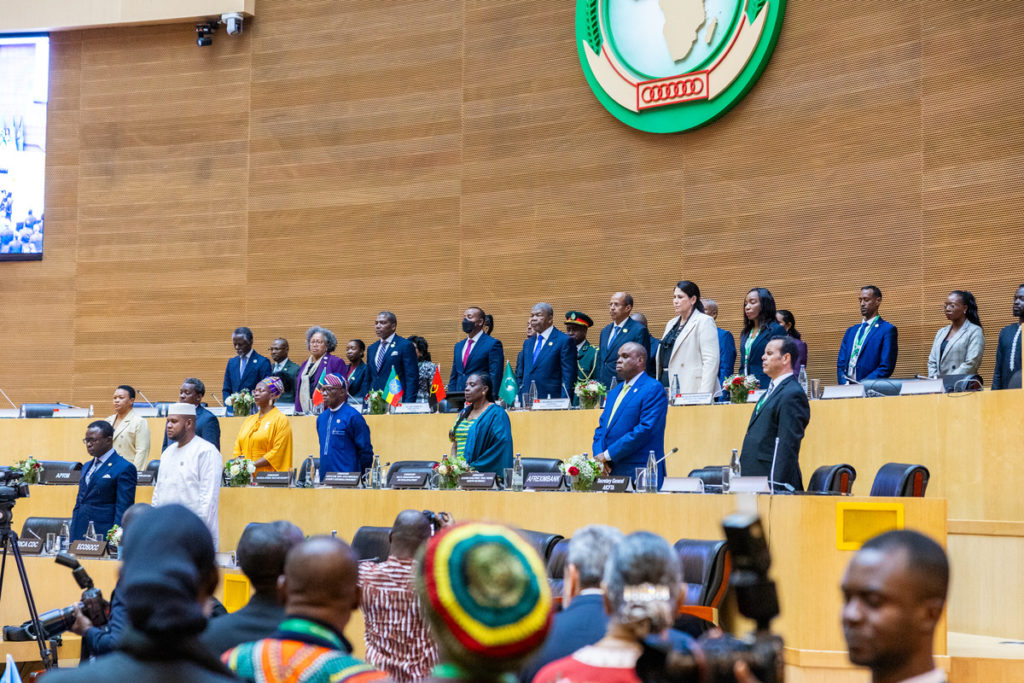
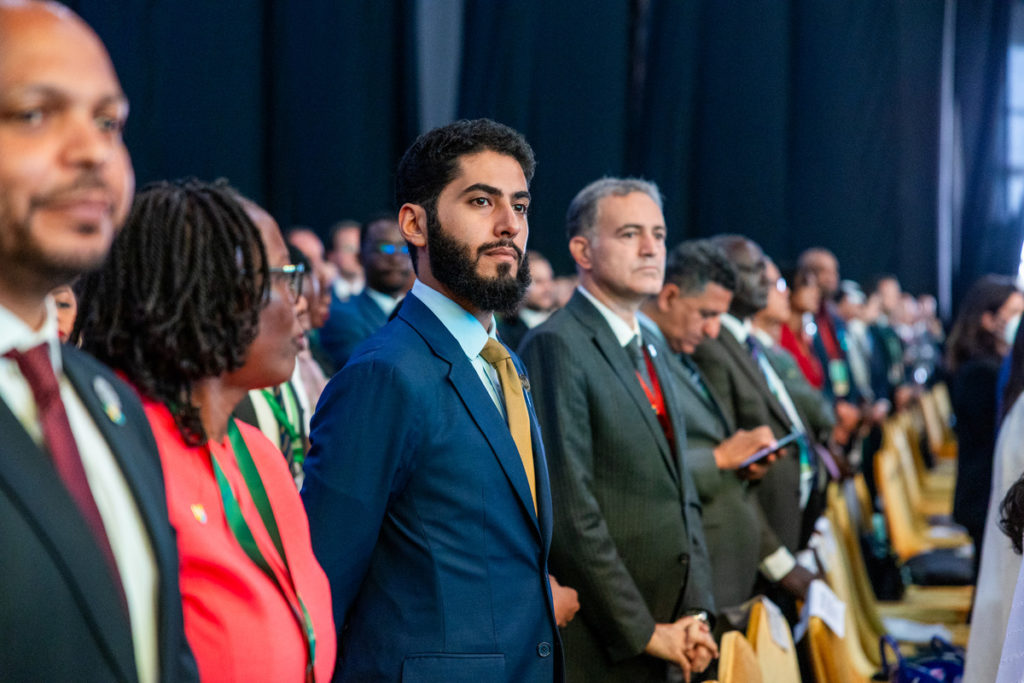
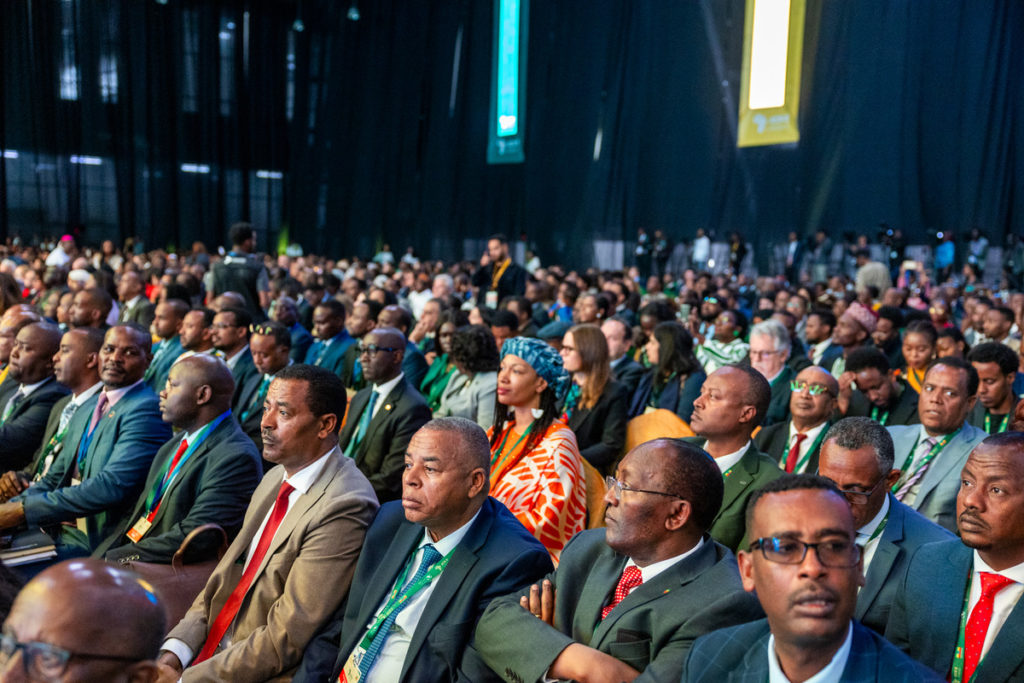
The OSC’s presence was underscored by the active participation of His Excellency Secretary-General Manssour Bin Mussallam. His engagements began at the highest level, attending the pivotal 2nd Africa-CARICOM Summit and the opening ceremony of the Africa Climate Summit. There, the Secretary-General stood alongside Heads of State and regional leaders to ratify a firm commitment to enhanced South-South cooperation and solidarity, a principle central to the OSC’s mission.
From Multilateral Pledges to Bilateral Action
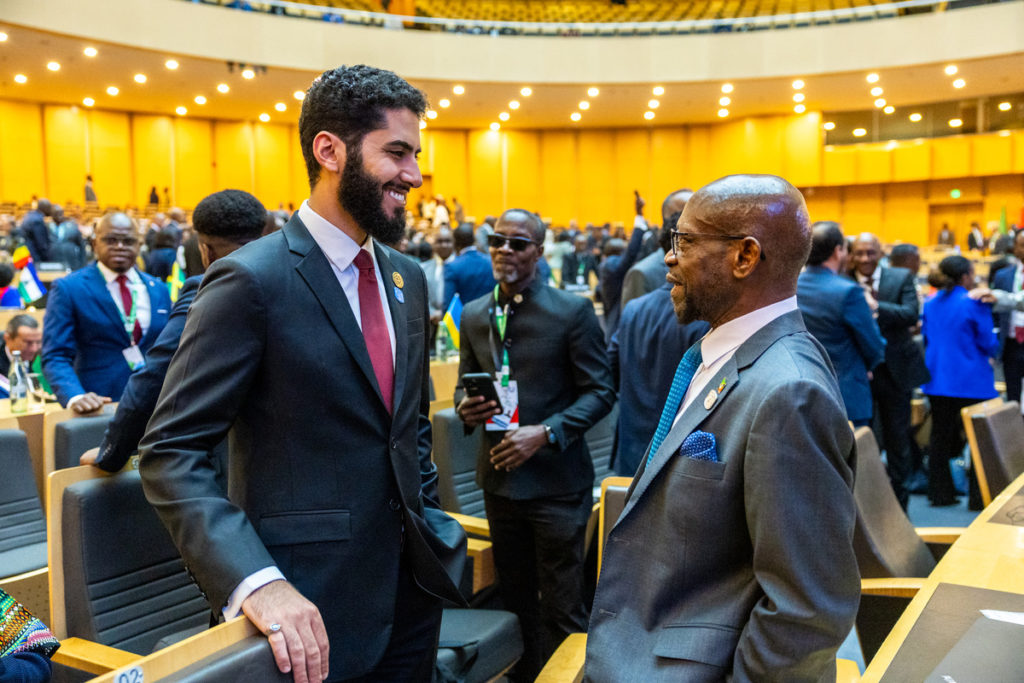
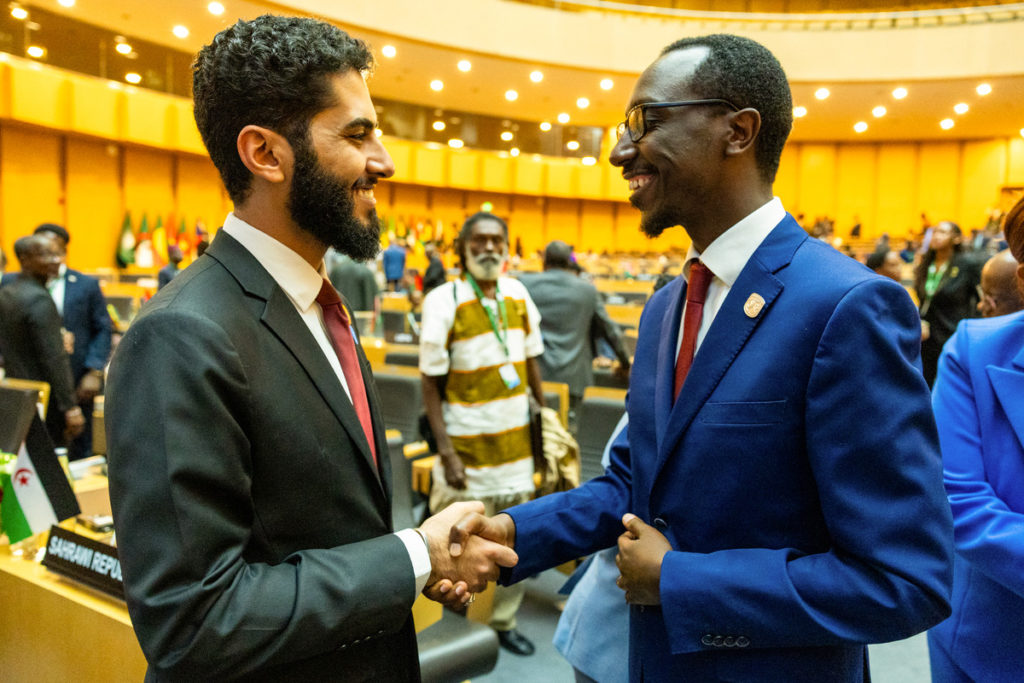
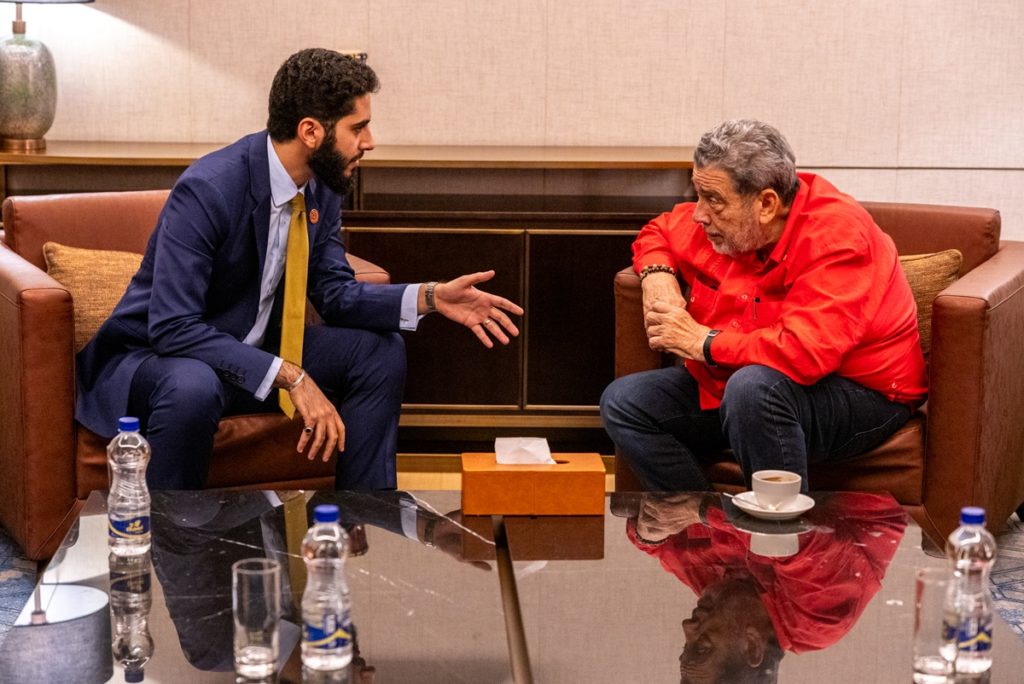
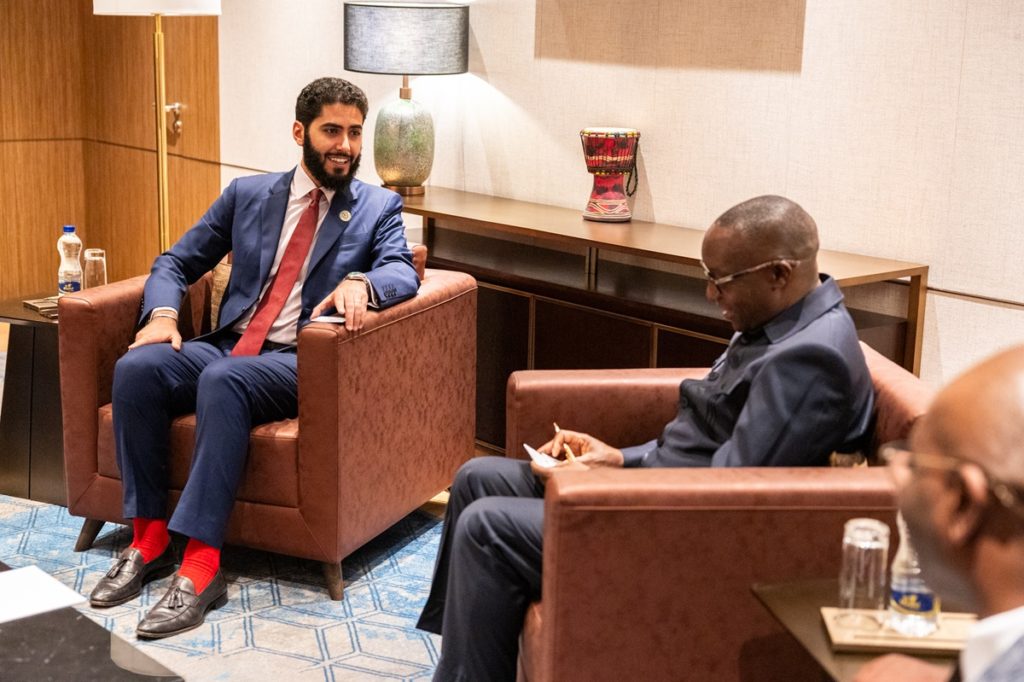
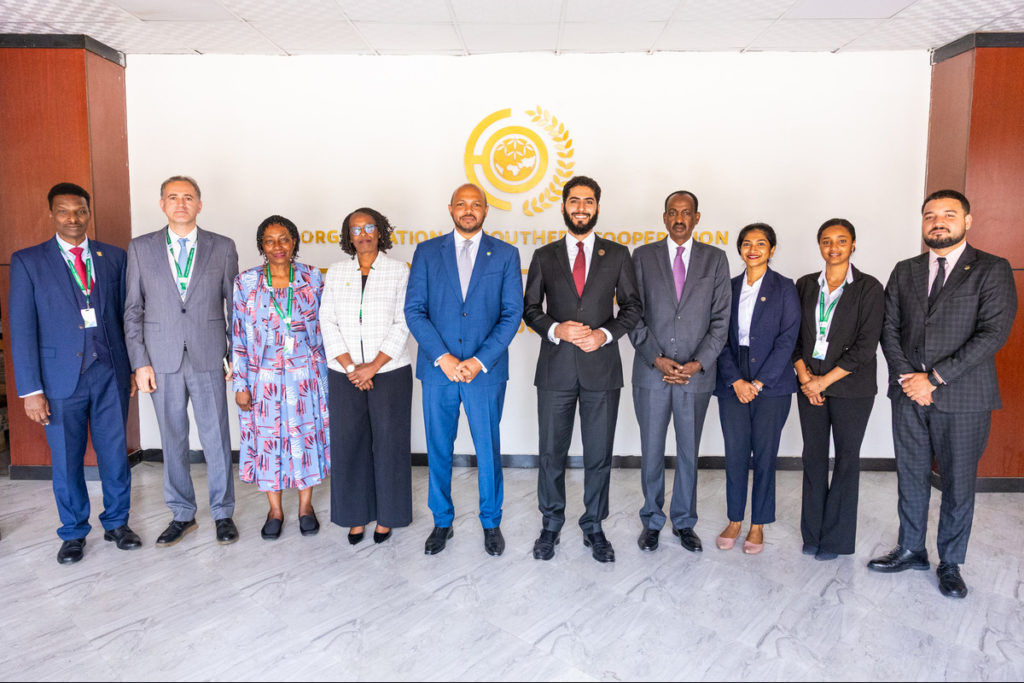
Demonstrating a commitment to turning principle into practise, Secretary-General Manssour Bin Mussallam held a series of strategic bilateral meetings on the sidelines of the summit. His discussions with the President of the Republic of Kenya, H.E. William Samoei Ruto and The Deputy Prime Minister of the Federal Government of Somalia H.E. Salah Ahmed Jama, reinforced regional solidarity on climate action and development.

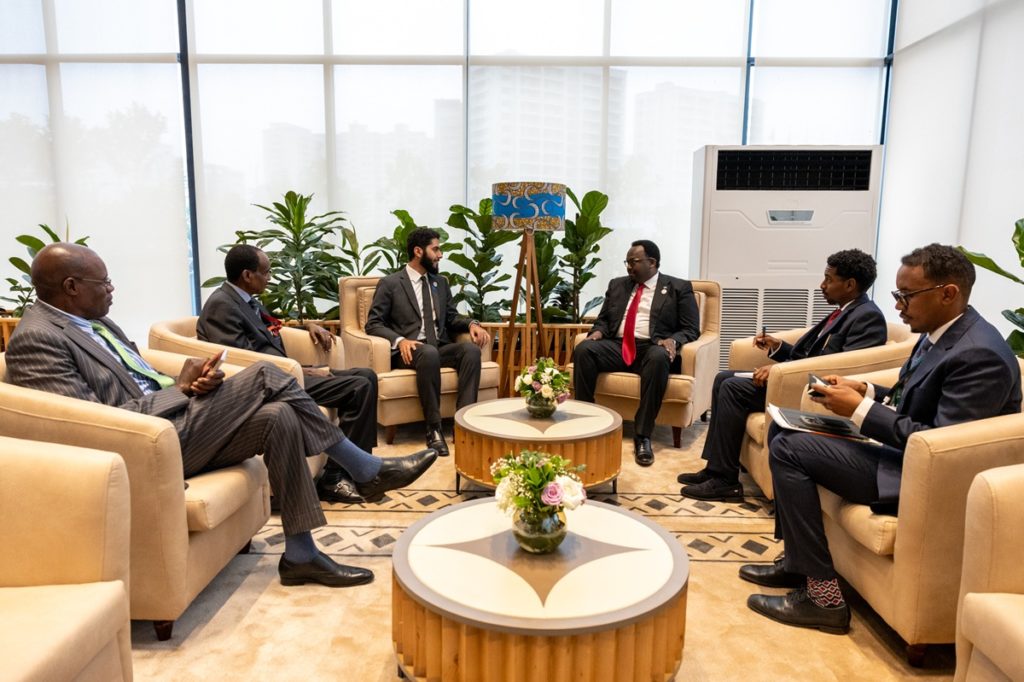
To strengthen the vital Africa-Caribbean nexus, the Secretary-General conferred with the Prime Minister of Saint Vincent and the Grenadines, H.E. Ralph Gonsalves. These engagements were further solidified through dialogues with Burundi’s Minister of Foreign Affairs H.E. Amb. Dr. Edouard Bizimana. A courtesy visit from the Secretary-General of the Organisation of African, Caribbean, and Pacific States (OACPS) H.E. Moussa S. Batraki, underscored a shared vision for consolidating South-South institutional collaboration.
A New Framework for our Future
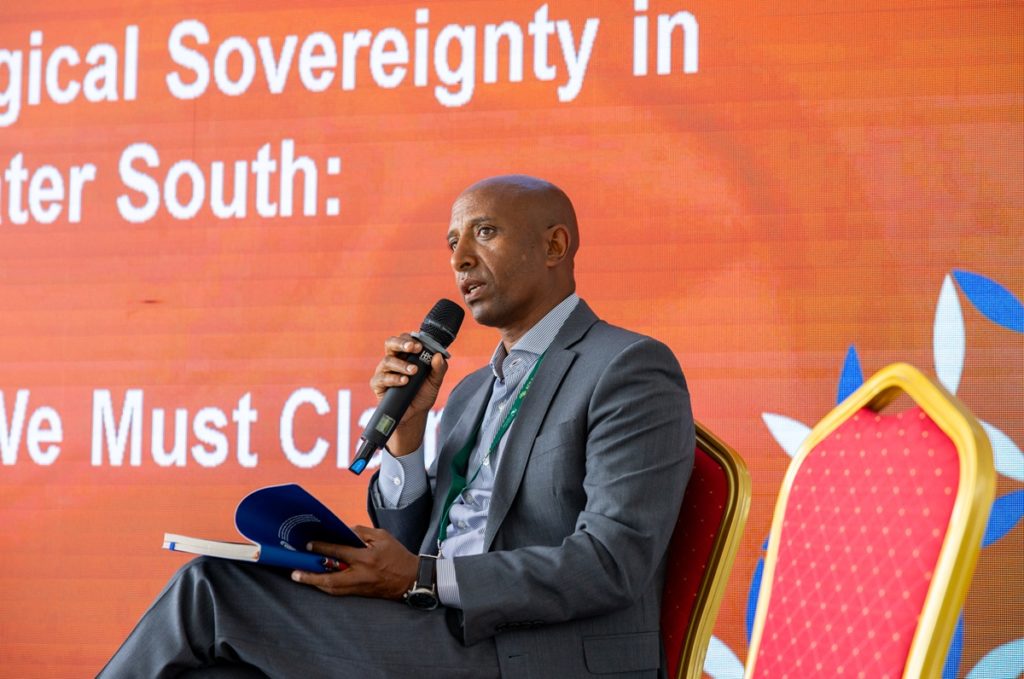
These fruitful dialogues were anchored by the substantive policy framework presented at the OSC’s side event, “Claiming the Future: Ecological Sovereignty and Agency in the Greater South.” Convened by the OSC’s Office of Climate Action and Resilience Enhancement (CARE) in partnership with the African Group of Negotiators (AGN) on Climate Change and the CGIAR’s AICCRA programme, the discussion laid out the concrete mechanics of the OSC’s Ecologically Driven Development (EDD) model.

Director of the OSC’s CARE Office Dr. Getahun G. Wodaje, framed the urgent need for this paradigm shift. “We are gathered at a critical moment when climate shocks, biodiversity loss, and structural inequities demand not just responses, but bold transformations,” he stated. Dr. Wodaje articulated the EDD framework as a “regenerative process rooted in justice,” designed to counter “extractive models that place profit over people and planet.” He emphasised that ecological sovereignty is fundamental, allowing states of the Greater South the “policy freedom” to define their own development pathways without external imposition.
The dialogue critically addressed the structural barriers hindering progress. As Dr. Wodaje noted, a unified internal position is the first step to changing the global dynamic. “We fail to set our own agenda. We are not negotiating from a position of strength because we have not first solidified our common position internally.”
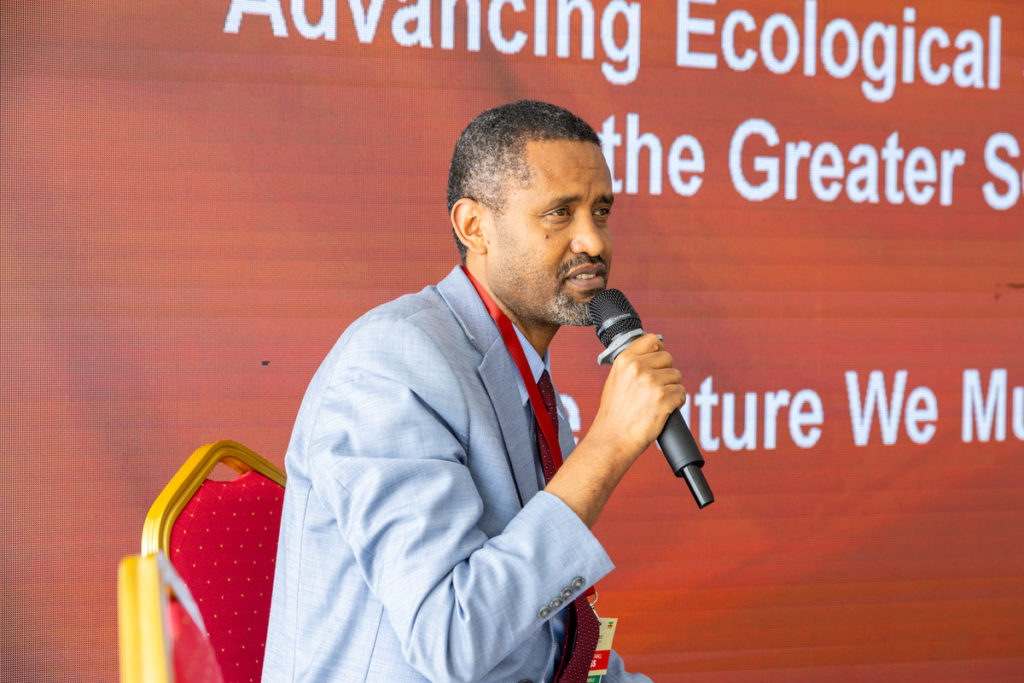
Providing a crucial perspective on implementation, Regional Program Leader for AICCRA Dr. Dawit Solomon, detailed how science and innovation are vital for building resilient food systems under the EDD model. He highlighted critical pillars for action, including making climate-smart innovations accessible to smallholder farmers and leveraging digital technology as a “great equaliser.”
Dr. Solomon stressed that a resilient Africa is beneficial for the entire world, advocating for a collaborative approach. “The discussion shouldn’t be antagonistic, but it should be a data-driven, substantiated dialogue. What is good for us should also be shown to be important for our partners,” he stated.
The session concluded with a clear pathway forward, building on the momentum generated by the week’s diplomacy. The expected outcomes include stronger networks for South-South collaboration, clear implementation strategies for ecologically driven policies, and building decisive momentum for a unified Southern position ahead of COP30.


