

In the heart of the Greater South, a subtle yet profound transformation is taking place. Since its launching on January 29, 2024, the OSC Institute (OSCI) has been at the forefront in enabling Balanced and Inclusive Education (BIE), through a Capacity Building Programme (CBP) that has shown the signs of sparking a movement that reaches far beyond traditional, Eurocentric education system. Since April 15, 2024, the OSC Institute has embarked upon CBP sessions to build national capacities around an educational system which is balanced as well as inclusive.
Built upon the four pillars of the BIE framework—Intraculturalism, Dialecticism, Transdisciplinarity, and Contextuality—, it has so far hosted participants from 15 countries both from the Member States as well as countries of the Greater South, equipping a dedicated cohort of experts who would not only be Ambassadors to the BIE approach and the values as well as principles of it, but who would also be able to embed them into educational systems, cascading their understanding and knowledge to their peers in their respective countries .
With three cohorts trained, each undergoing an intensive 2-month period of deep learning, in order to understand the BIE conceptual framework, the third currently engaged, this expanding network of educators and policymakers’ spans across continents. Their shared mission is clear: to drive systemic change in education that is aligned with BIE conceptual framework. This transformative journey cultivates change agents who recognise that learning is not just about transferring knowledge but fostering an exchange rooted in the BIE ethos and the diverse cultural contexts that define each community.
The Trainer-of-Trainers Approach: Scaling Transformation Through Empowered Educators
The programme’s strength lies in its train-the-trainers approach, which nurtures the growth of each participant into a skilled trainer capable of cascading BIE knowledge back home, in order to create a cadre of BIE Ambassadors that spreads across the different ministries, civil societies and organisations. In the capacity building programme, trainers follow a structured, threefold approach:
- Building Knowledge and Understanding
- Combining Knowledge and skills with capabilities
- Integrating BIE tools, approaches and frameworks to master alignment with national educational strategies
These stages combine seamlessly to equip participants with the skills needed to implement meaningful change for systemic transformation. With these tools, they are empowered to return to their home countries not only to teach but also to support their peers and colleagues in adapting the BIE framework within their unique national contexts to ensure a sustainable, scalable impact, creating a ripple effect across multiple educational systems.
Impact Stories: The BIE Network in Action
The transformation is both individual and systemic. As participants return to their countries, they are equipped with a holistic, nuanced perspective on education transformation and carry forward an approach that redefines knowledge, significance of context and non – academic knowledge into the process of learning and the importance of student being treated as ‘protagonists’ in the process of teaching and learning to make it more meaningful for their lives.
Here are a few stories that highlight the profound transformative effect of this network of trainers:
- Team Ethiopia – Building Networks of Awareness
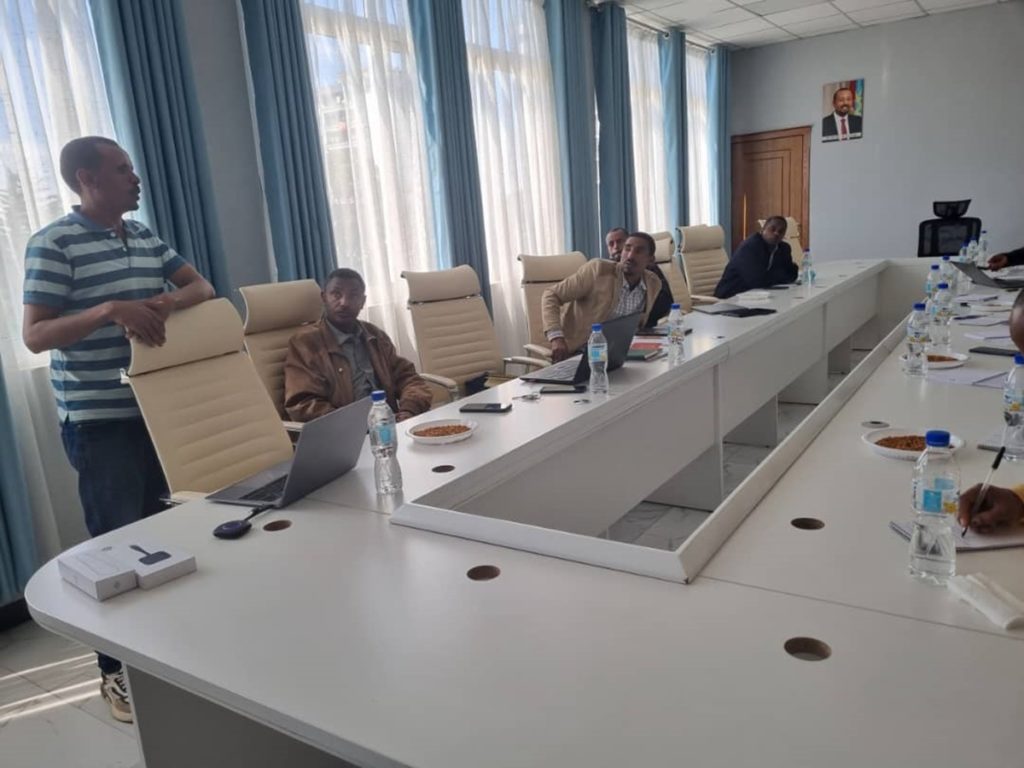
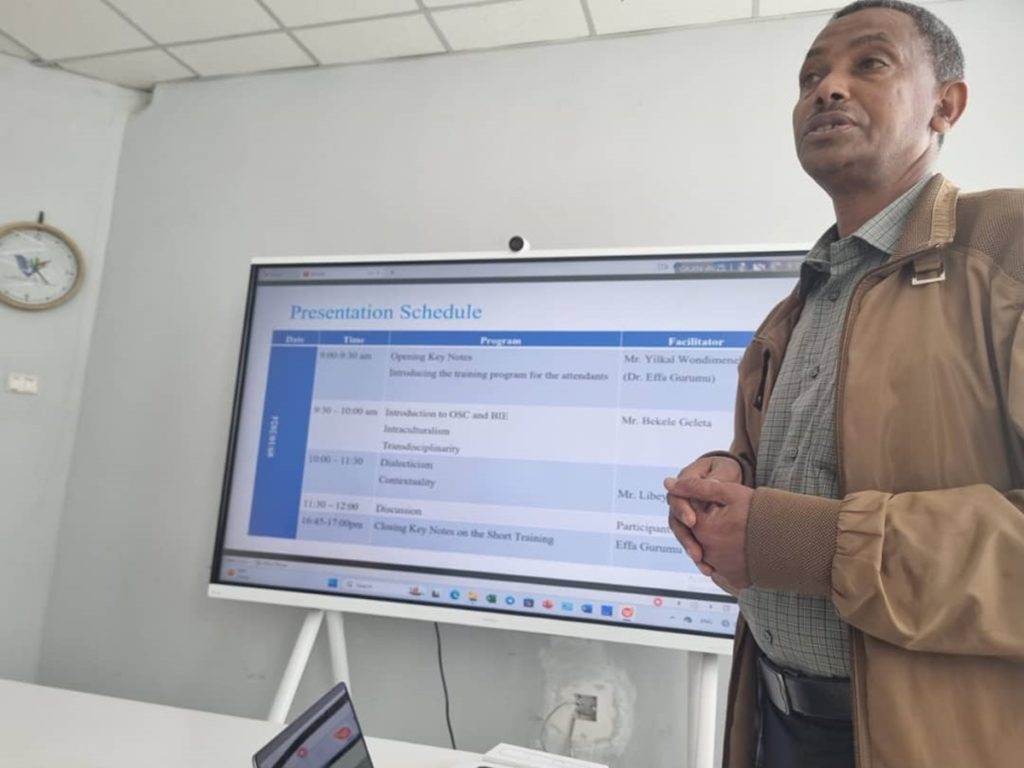
Alumni in Ethiopia organised awareness creation workshops targeting the Ministry of Education and the National Examination and Assessment Service (NEAES). Through a comprehensive introduction to BIE, they connected with key stakeholders, sharing insights on system-level assessment and curriculum integration. Their efforts have catalysed ongoing workshops nationwide, empowering educators to champion BIE at different educational levels across Ethiopia. (photos)
- Loyce Alinafe Chisale and Thomas Kumah Osei
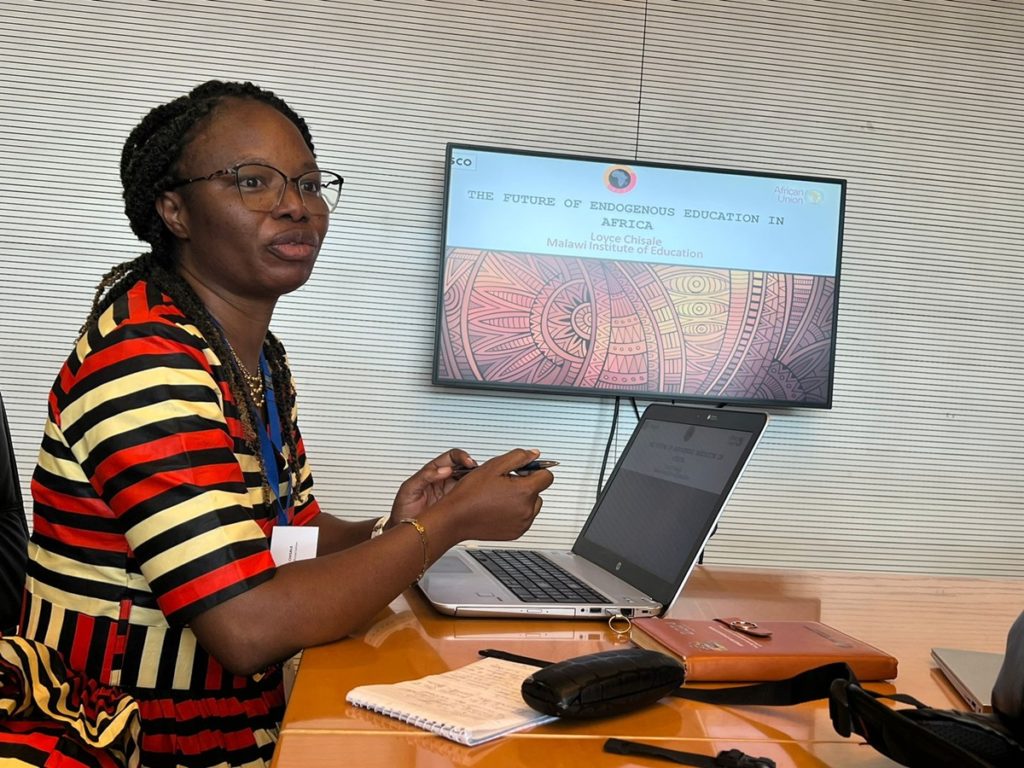
Representing the African Curriculum Association (ACA), our BIE ambassadors Loyce Alinafe Chisale and Thomas Kumah Osei attended the African Union and UNESCO forum, Transforming Knowledge for Africa’s Future. Where they shared their experiences from the BIE capacity building programme, emphasising the integration of Endogenous Knowledge with contemporary educational practices.
Loyce presentation on, The Future of Endogenous Education in Africa, emphasised the need for a curriculum that honours Africa’s cultural heritage while preparing students for a globalised world. They are working towards training educators in Ghana and Malawi on this integrated model, promoting a BIE approach that respects local knowledge systems.

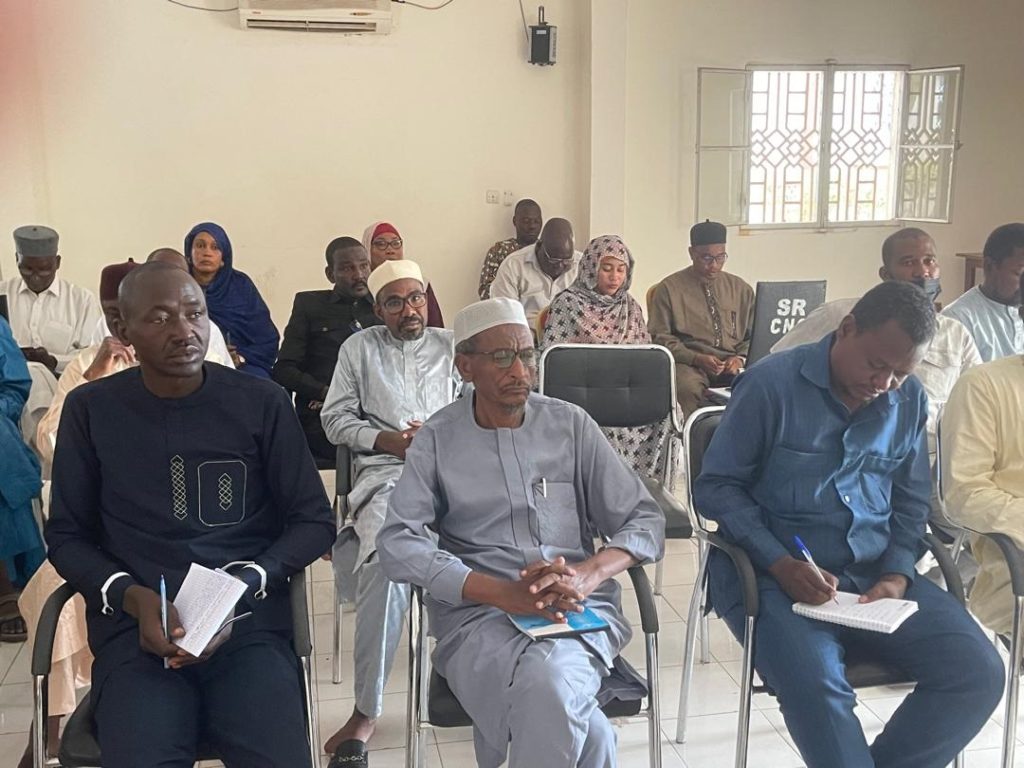
- Yakba Wassou Nathan – Chad
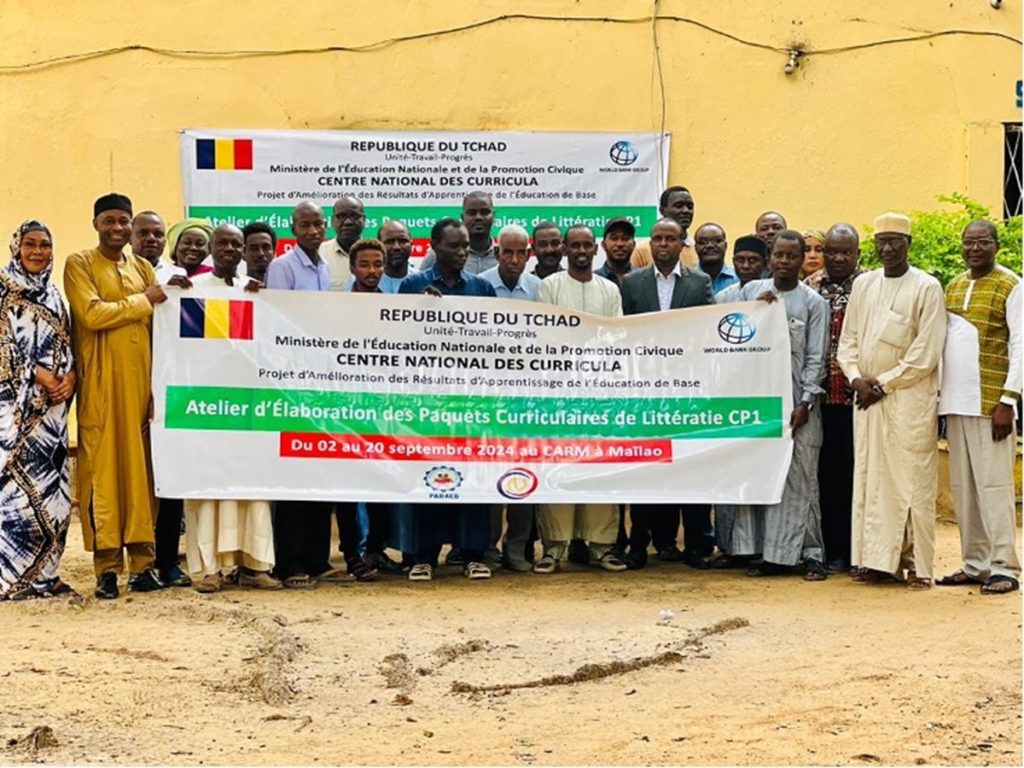
Yakba’s journey took him back to Chad, where he organised BIE training for officials at the Curriculum Development Centre. His sessions emphasised the four BIE pillars of BIE—demonstrating how each could be applied within Chad’s curriculum. Through his leadership, Yakba is contributing to a national dialogue on the importance of an education system that is both informed and locally grounded.
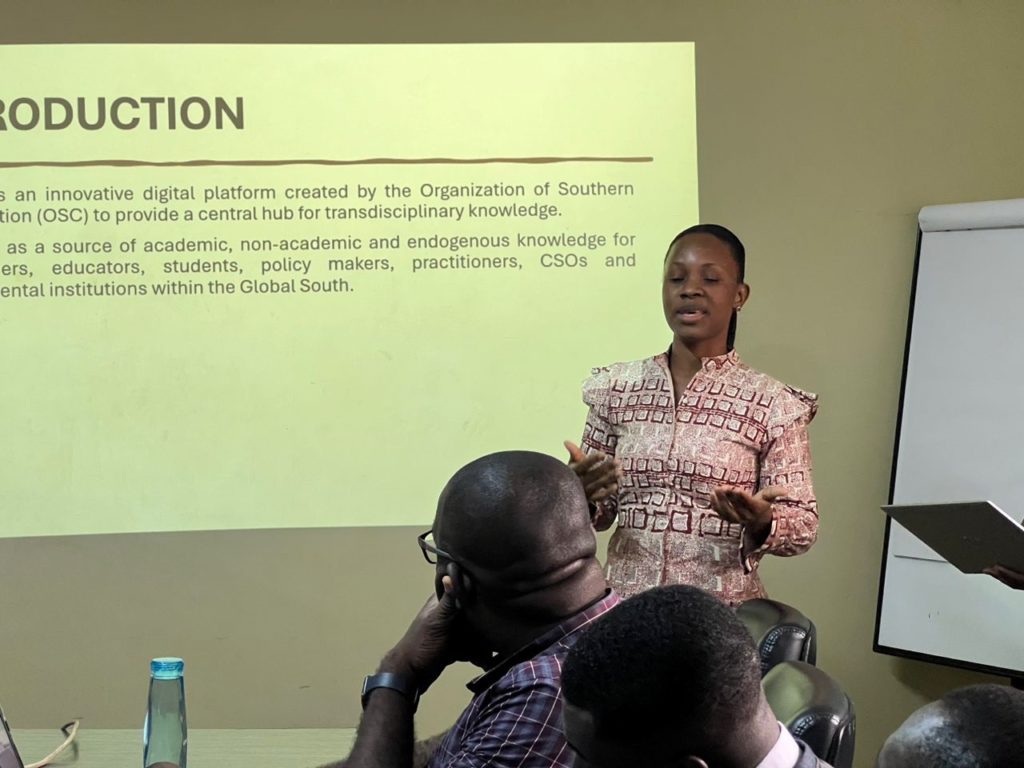
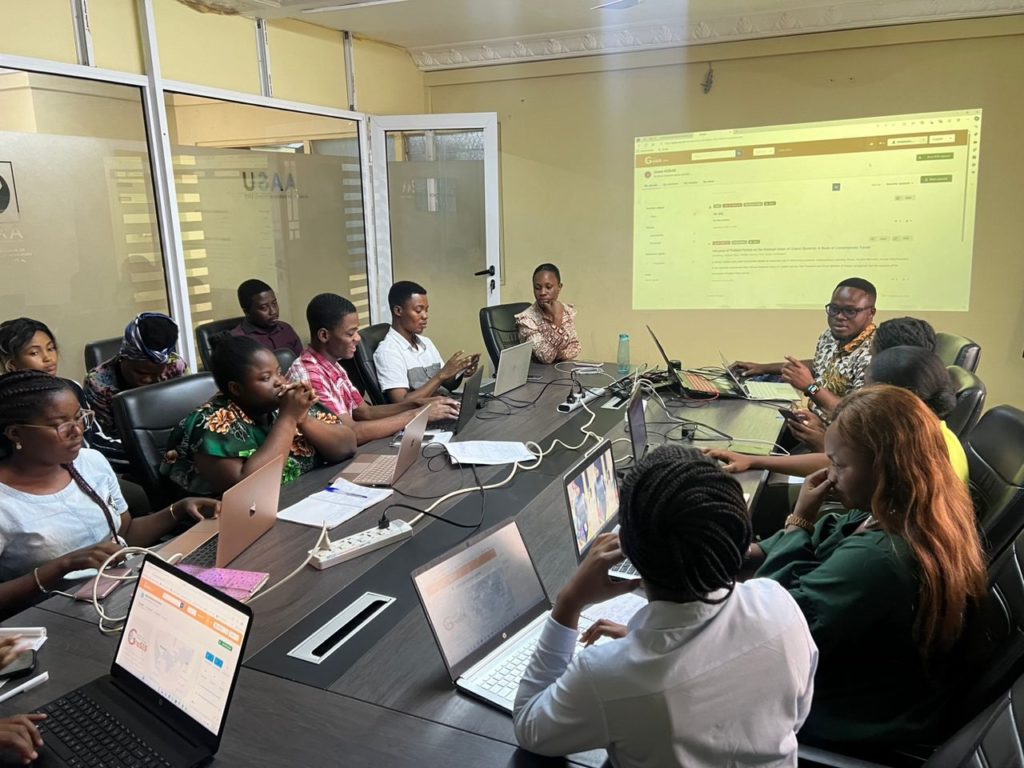
- Ms. Hilda Nyarkoa Bekoe & Mr. James Kodjie – Ghana
From the All-Africa Students Union (AASU), Hilda and James have taken the BIE torch forward, bringing BIE approach directly into the operations of the AASU Secretariat. They conducted comprehensive training sessions focused on onboarding staff and service personnel onto the GreSIS platform, a transformative tool underpinned by the BIE framework. By empowering the next generation of African leaders through BIE tools, Hilda and James are advocating for balanced and inclusive education within the higher learning institutions in Africa.
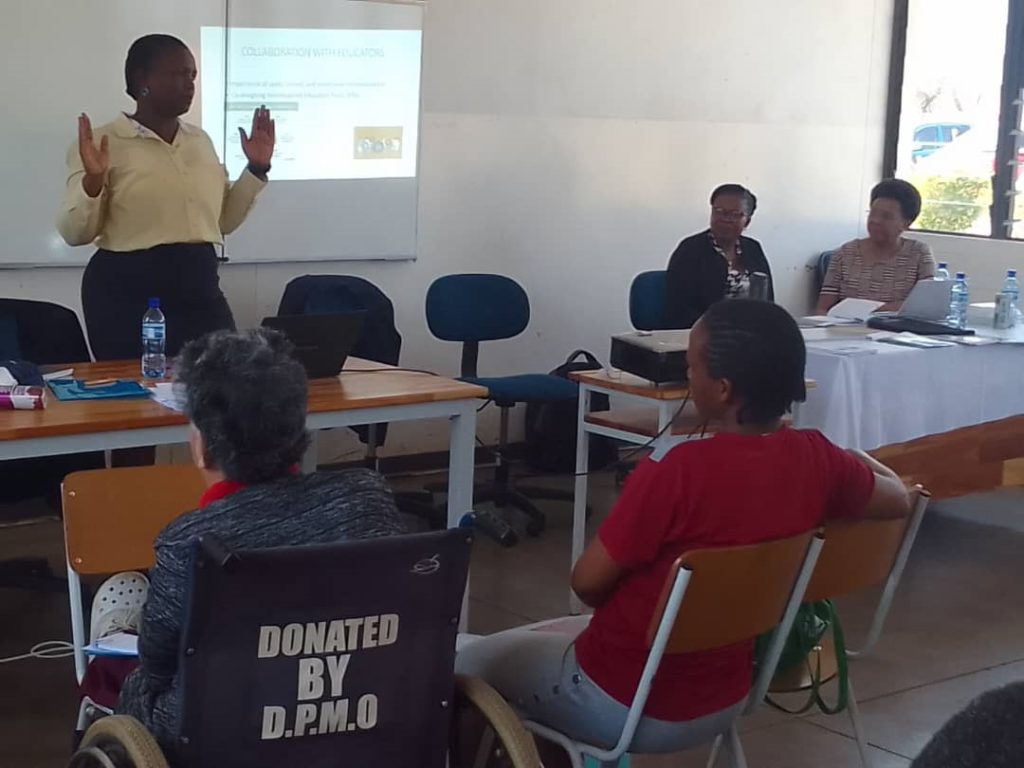
- Team Eswatini – Engaging Parents in the BIE Approach
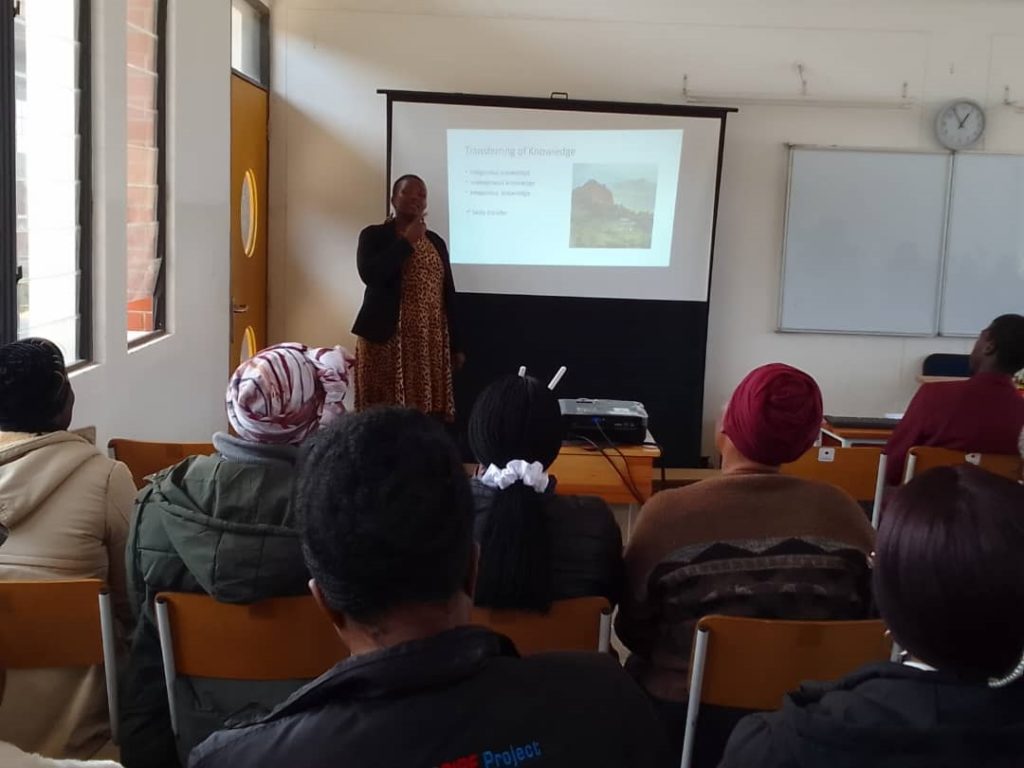
In Eswatini, a team of BIE capacity building participants took their knowledge to the grassroots level, organising two workshops specifically for parents. By sharing the principles of BIE, they helped parents understand the importance of an inclusive and culturally aware education. This engagement is fostering a supportive community around students, where parents are empowered to reinforce BIE values at home, creating an even broader impact in Eswatini’s educational system.
- Team Cambodia – Localising Knowledge through Translation
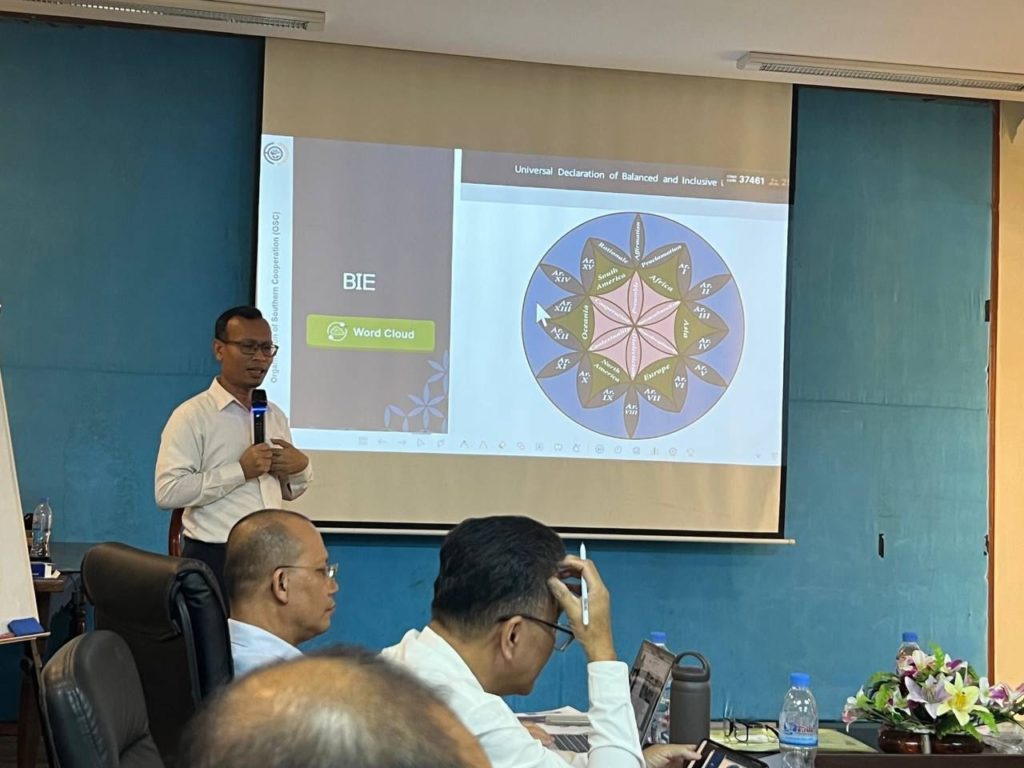
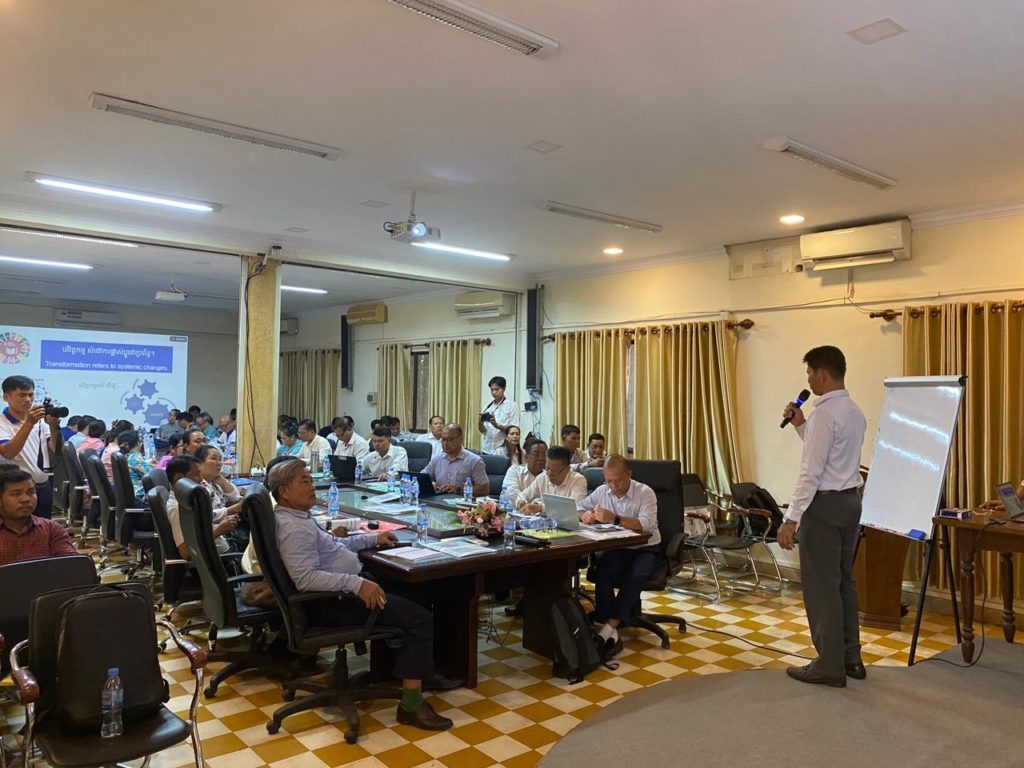
In Cambodia, three BIE Ambassadors launched the first BIE-based capacity-building program. Translating key concepts into Khmer (their official language), they led over 100 educators through interactive workshops that fostered local engagement and understanding of BIE principles. By localising content, Team Cambodia has inspired educators to adopt balanced and inclusive practices that are culturally resonant and accessible.
Sustaining a Culture of Balanced and Inclusive Education
These stories highlight the programme’s trainer-of-trainers approach, where every participant is both a learner and an educator, carrying forward a framework that is culturally anchored and contextually adaptable. OSC’s continued support ensures that BIE remains responsive to each country’s unique educational landscape, offering technical assistance and policy support to bolster long-term impact.
As one trainer eloquently expressed, “In teaching, we learn the most. For education to be transformative, it must meet learners’ needs. BIE challenges me to understand these principles deeply so that I can communicate them simply and impactfully.”
Building a Legacy of Transformation
The BIE Capacity Building Programme is a journey toward aligning balanced and inclusive education conceptual framework across the educational systems of the Greater South as per their contextual needs. As participants return to their communities, they are not only disseminating knowledge—they are also cultivating a culture of ‘inclusivity’ that will endure for generations. Through their dedication, they lay a foundation for transformational change that when combined with political will and policy support, will build a legacy that will empower educators, students, and societies alike, one transformative lesson at a time.


